
Concrete vs. Plastic Septic Tanks: Pros & Cons

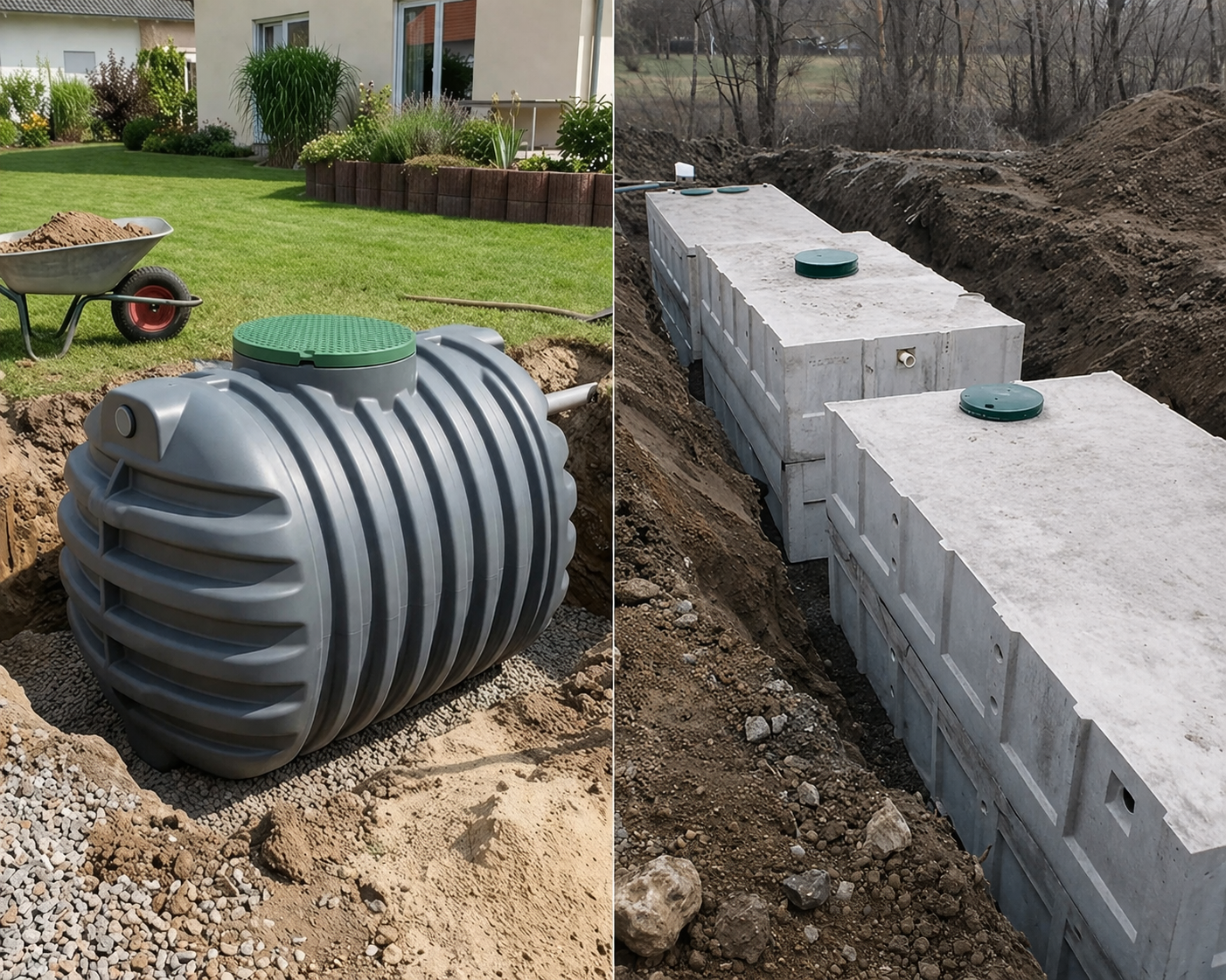
If you’re building a new home on rural property – or replacing an aging system – you’ve probably hit a crossroads. Concrete or plastic septic tanks? It’s not exactly a glamorous topic, but trust us… getting this decision right matters more than you’d think.
Most homeowners never give their septic system a second thought. Out of sight, out of mind. But when you’re the one writing the check for installation, suddenly every detail becomes important. The material you choose affects everything: how much you’ll pay upfront, how long the tank lasts, and what kind of maintenance headaches (or lack thereof) you’re signing up for.
So what are septic tanks made out of, anyway? The two heavyweights in this arena are concrete and plastic – sometimes called poly or polyethylene tanks. Each has loyal fans. Each has real drawbacks. And the best option for your neighbor might be completely wrong for your property.
Let’s break it all down.
Table of Contents
What is the Difference Between Concrete and Plastic Septic Tanks
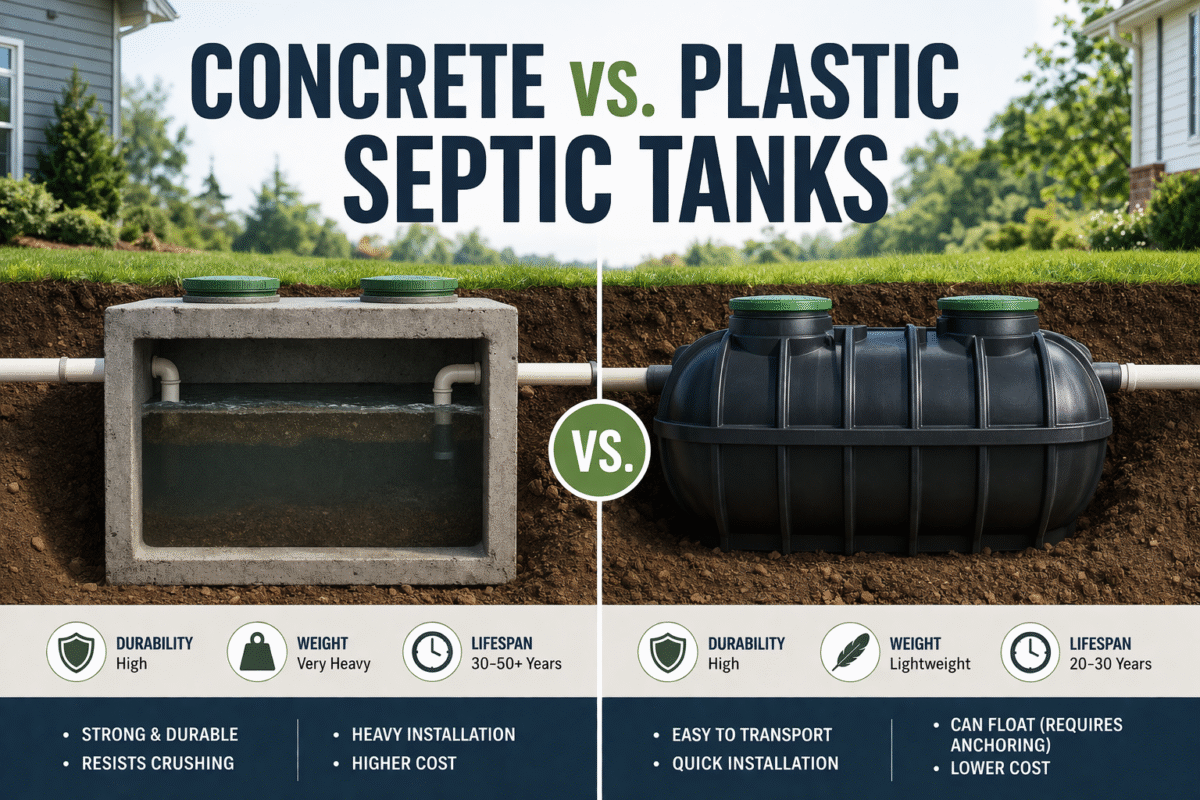
At first glance, both tank types do the same job. Wastewater flows in, bacteria break down solids, and treated effluent exits to your drain field. Simple enough.
But the similarities pretty much end there.
Concrete septic tanks are exactly what they sound like – massive, heavy structures poured or precast from reinforced concrete. They’ve been the industry standard since your great-grandparents’ time, and there’s a reason they’ve stuck around. These tanks weigh several tons. They require cranes or specialized equipment just to get them into the ground. Once installed, though? They’re not going anywhere.
Plastic septic tanks (also called poly septic tanks) showed up in the 1980s as a lighter, more affordable alternative. Made from high-density polyethylene, they’re rotomolded as a single piece – no seams, no joints to fail. You can haul one on a regular truck, and a small crew can wrestle it into position without heavy machinery.
The core difference comes down to this: concrete trades convenience for durability, while plastic trades longevity for easier handling and lower cost.
When choosing between these different types of septic systems, you’ll need to weigh factors like your soil conditions, groundwater levels, budget, and how long you plan to stay on the property. A reputable septic tank installation company can assess your specific situation – because honestly, there’s no universal “right answer” here.
What Septic Tank is Better: Plastic or Concrete?
Here’s the honest truth: neither option is objectively “better.” It depends entirely on your circumstances.
That said, let’s put the key differences side by side so you can see what you’re working with:
| Factor | Concrete Septic Tank | Plastic Septic Tank |
|---|---|---|
| Average Lifespan | 40–50 years | 30–40 years |
| Typical Cost (tank only) | $700–$2,000+ | $500–$2,000 |
| Installation Complexity | Heavy equipment required | Minimal equipment needed |
| Weight | Several tons | A few hundred pounds |
| Durability | Excellent – handles heavy loads | Good, but vulnerable to crushing |
| Risk of Floating | Very low | Higher in wet conditions |
| Size Options | Wide range available | More limited |
| Repair Difficulty | Challenging and expensive | Easier with plastic welding |
| Legal Restrictions | Accepted everywhere | Restricted in some areas |
Both tank types work. Both have proven track records. The real question isn’t which is “better” – it’s which is better for your property.
Got high groundwater? Concrete’s weight keeps it anchored. Working with a tight budget and low water table? Plastic could save you thousands. Planning to park heavy equipment over the tank location? Concrete handles that pressure without blinking.
Before making any final decisions, understanding the full cost of putting in a septic system helps you budget realistically for either option.
Concrete Septic Tanks: What Is, Pros & Cons
Concrete tanks have dominated the septic industry for over a century. There’s something reassuring about that kind of staying power.
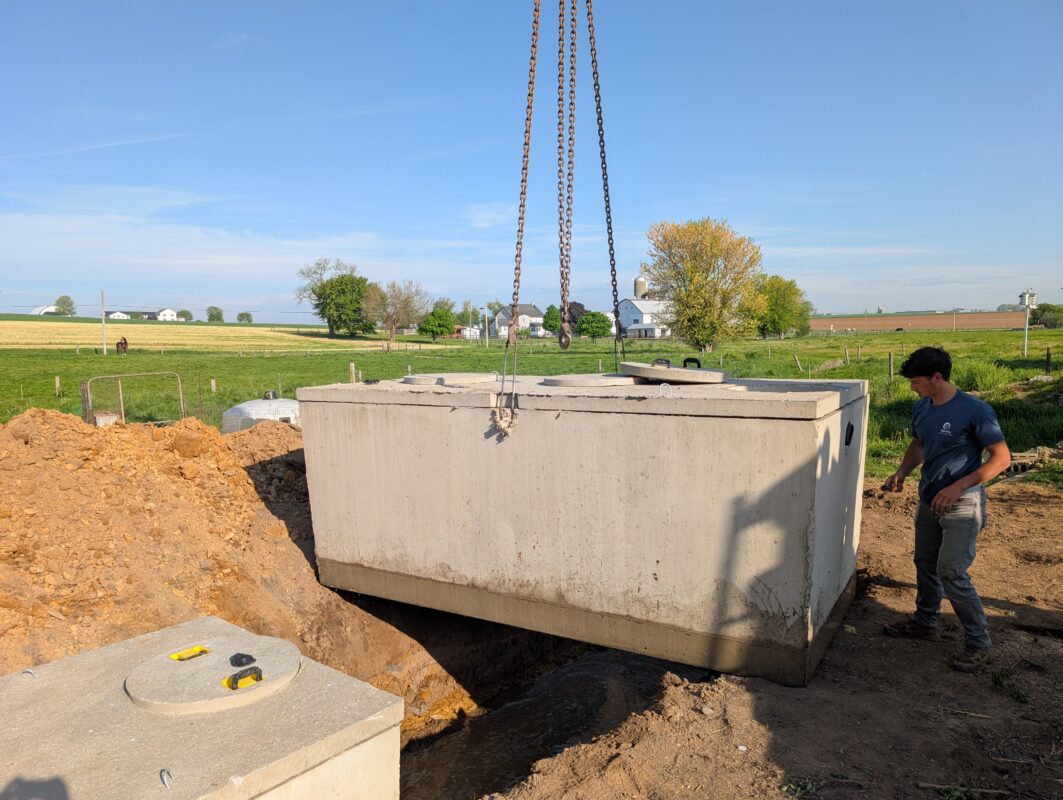
These tanks are typically precast at a manufacturing facility, then transported to your property on a flatbed truck. Installation requires a crane to lift the tank – which can weigh anywhere from 8,000 to 15,000 pounds – and lower it into the excavated hole. It’s a production. But once that tank settles into place, it becomes an immovable fixture of your property’s infrastructure.
Concrete works exceptionally well in areas with challenging soil conditions or fluctuating water tables. The sheer mass of these tanks makes floating virtually impossible, which is why many municipalities actually require concrete in flood-prone zones.
Advantages of Concrete Septic Tanks
Why do so many homeowners still choose concrete? Here’s what makes it stand out:
- Built to last – A well-maintained concrete septic tank can serve your property for 40 to 50 years, sometimes longer. That’s potentially a half-century of reliable service from a single installation.
- Handles heavy loads without flinching – Got a driveway running over your tank location? Farm equipment crossing the area? Concrete doesn’t care. Its structural strength accommodates heavy vehicle traffic that would crush a plastic alternative.
- Stays put in wet conditions – When groundwater rises, lightweight tanks can actually float out of position, causing serious damage to pipes and connections. Concrete’s weight (we’re talking tons here) eliminates this risk entirely.
- Larger capacity options – Need a bigger tank? Concrete gives you more flexibility. For properties with multiple residents or high water usage, this matters.
- Universally accepted – No matter where you live, concrete tanks meet local codes. You’ll never face permit issues based on material choice.
Disadvantages of Concrete Septic Tanks
Nothing’s perfect, and concrete comes with real drawbacks:
- Higher upfront costs – Between the tank price, transportation fees, crane rental, and additional labor… concrete installations run expensive. That heavy equipment isn’t cheap to operate.
- Porosity can cause problems – Concrete absorbs moisture. In acidic soils, this porous nature can lead to gradual deterioration. Many installations require waterproof coatings or sealants to extend the tank’s lifespan – adding another line item to your budget.
- Cracks happen – Despite their durability, concrete tanks can develop cracks over time. Root intrusion, ground settling, or improper installation can all cause structural issues. And repairing concrete? It’s neither simple nor cheap.
- Transportation headaches – You can’t exactly toss a concrete tank in your pickup truck. Delivery logistics alone add complexity – especially for remote properties with difficult access.
Understanding the cost of replacing sewer line connections and other infrastructure helps contextualize whether concrete’s durability justifies the premium.
Plastic Septic Tanks: What Is, Pros & Cons
Plastic tanks changed the game when they hit the market in the 1980s. Suddenly, septic installation didn’t require a crane, a massive crew, or a small fortune.
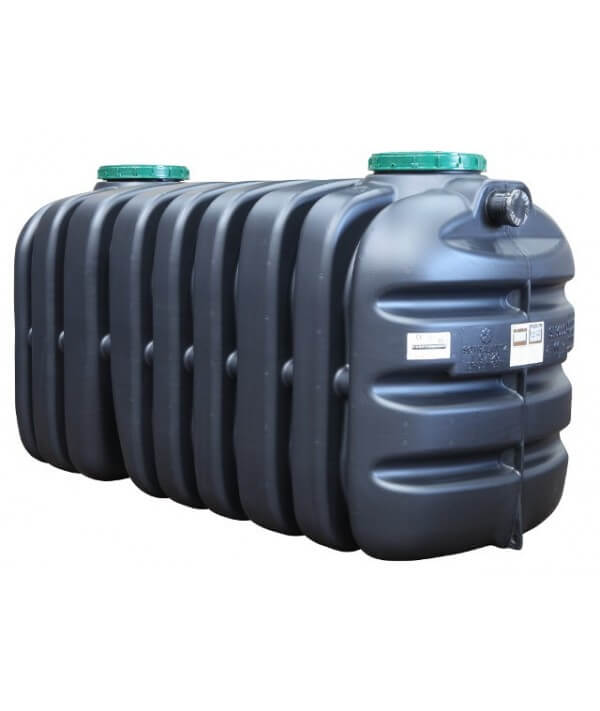
These tanks are manufactured from high-density polyethylene through a process called rotational molding. The result? A seamless, one-piece container that won’t rust, won’t corrode, and resists the chemical reactions that can damage other materials.
Poly septic tanks make sense for many residential applications – particularly newer construction where costs need to stay controlled and soil conditions are favorable. They’re the go-to option for properties without heavy equipment traffic concerns or high groundwater issues.
Advantages of Plastic Septic Tanks
Plastic tanks earned their popularity for good reasons:
- Seriously lightweight. Where concrete tanks weigh tons, plastic tanks weigh hundreds of pounds. Two or three workers can maneuver one into position. No crane necessary.
- Lower installation costs. Less equipment, less labor, less time. The math is simple: plastic installations cost less because they’re less complicated. For budget-conscious homeowners, this difference can be substantial.
- Corrosion resistant. Acidic soil that would eat away at concrete? Plastic shrugs it off. Chemical resistance is built into the material itself – no coatings or sealants required.
- One-piece construction. Rotomolded plastic tanks have no seams or joints. That means fewer potential failure points and a watertight seal from day one.
- Easier to install in tight spaces. Some properties just don’t accommodate heavy equipment. Remote locations, narrow access roads, backyard installations… plastic tanks can go places concrete can’t reach.
- Simpler repairs. Damage happens. But a cracked plastic tank can often be patched with plastic welding – a relatively straightforward fix compared to concrete repair.
Disadvantages of Plastic Septic Tanks
Before you commit to plastic, know the limitations:
- Vulnerable to crushing – Heavy machinery driving over a buried plastic tank? That’s a recipe for disaster. Unlike concrete, plastic can’t handle significant compressive loads without risking structural failure.
- Floating risk in wet areas – Here’s the trade-off for that convenient lightweight design. In areas with high groundwater, an empty or partially empty plastic tank can literally float out of the ground during heavy rains. It sounds almost comical until you see the damage it causes.
- Shorter lifespan – Expect 30 to 40 years from a plastic tank – solid performance, but roughly a decade shorter than concrete alternatives.
- Size limitations – Need a really big tank? Plastic options max out sooner than concrete. High-volume applications may require concrete by necessity.
- Not allowed everywhere – Some municipalities restrict plastic tanks, particularly in flood zones or areas with known groundwater issues. Always check local regulations before committing.
Proper site preparation becomes even more critical with plastic tanks – ensuring correct burial depth and avoiding future traffic patterns over the installation.
Factors to Consider When Choosing a Septic Tank
Picking a septic tank isn’t like choosing between brands at the grocery store. This is a significant investment that affects your property for decades. Take your time with the decision.
Here’s what actually matters:
- Your property’s soil conditions. Sandy soil? Clay? Rocky terrain? Soil type affects drainage, installation difficulty, and which tank materials perform best long-term.
- Groundwater levels. High water table? Concrete is probably your safest bet. Low and stable? Plastic becomes a viable (and more affordable) option.
- Expected wastewater volume. A family of six generates more wastewater than a retired couple. Tank sizing needs to match your household’s actual usage patterns.
- Local regulations. Some areas mandate specific tank types. Check with your local permitting office before falling in love with any particular option.
- Access to your property. Can heavy equipment reach the installation site? If not, plastic’s lightweight nature might be the deciding factor.
- Long-term plans. Building your forever home? Concrete’s longevity might justify the premium. Selling in a few years? The calculation changes.
When weighing options like a holding tank vs septic system, understanding your property’s specific needs guides you toward the right choice.
Cost Comparison: Plastic vs. Concrete Septic Tanks
Let’s talk money – because ultimately, budget shapes most decisions.
Tank purchase prices overlap considerably. Plastic tanks typically run $500 to $2,000, while concrete ranges from $700 to $2,000 or more. The tank itself isn’t where the big cost difference lives.
Installation is where expenses diverge dramatically. Concrete requires crane rental ($200–$500 per day), additional laborers (heavy equipment operators don’t come cheap), and more time on-site. A complete concrete installation might run $3,000 to $8,000 or higher depending on complexity.
Plastic installations, by contrast, need less equipment and fewer workers. Total costs often land between $1,500 and $4,000 – meaningful savings for many homeowners.
Long-term costs tell a different story. Concrete’s longer lifespan means fewer replacement cycles over your property’s lifetime. If you’re staying put for 40+ years, that durability has real financial value.
Factor in pump-out frequency too. Smaller plastic tanks may need more frequent servicing – those costs accumulate over time.
Maintenance Requirements for Concrete and Plastic Septic Tanks
Both tank types need regular attention. Neglect leads to expensive problems regardless of material.
Pumping schedules depend on tank size and household usage rather than material. Most systems need pumping every 3 to 5 years. Smaller plastic tanks at the lower end of capacity might need more frequent service.
Inspections matter. Annual or biannual professional inspections catch small issues before they become catastrophes. Cracks in concrete, stress points in plastic, baffle condition, inlet and outlet integrity… a trained eye spots problems you’d never notice.
Concrete-specific concerns:
- Watch for crack development and structural deterioration
- Monitor for root intrusion near the tank
- Check for degradation in acidic soil conditions
- Waterproof coatings may need periodic reapplication
Plastic-specific concerns:
- Monitor for any shifting or displacement, especially after heavy rain events
- Check for stress cracks around inlet and outlet connections
- Ensure burial depth remains adequate
- Verify no heavy equipment has compacted soil above the tank
Both materials benefit from proper usage habits – no flushing non-biodegradables, avoiding excessive water usage that overloads the system, and keeping heavy equipment away from the tank and drain field area.
Longevity of Concrete vs. Plastic Septic Tanks
How long will your tank actually last? That depends on material, maintenance, and environmental conditions.
Concrete tanks: 40 to 50 years with proper care. Some outlast their owners. However, poor soil conditions, improper installation, or deferred maintenance can dramatically shorten this timeline. Cracks and deterioration accelerate when issues go unaddressed.
Plastic tanks: 30 to 40 years under normal conditions. They don’t deteriorate the way concrete can in acidic environments, but physical damage from ground pressure or improper installation shortens their useful life.
Environmental factors play a major role either way. Extreme temperature swings, seismic activity, root intrusion, soil movement… external forces don’t care what your tank is made from.
The best choice for maximum longevity? Whichever material suits your property’s specific conditions – properly installed and consistently maintained.
Environmental Considerations: Plastic vs. Concrete
For environmentally-conscious homeowners, the material choice carries implications beyond performance.
- Production impact – Concrete manufacturing is energy-intensive and produces significant carbon emissions. Plastic production has its own environmental footprint, though typically lower per unit.
- End-of-life disposal – Plastic tanks can often be recycled when eventually replaced. Concrete requires breaking up and disposing of massive amounts of material – not exactly eco-friendly.
- Operational impact – Both tank types, when properly functioning, provide the same environmental benefit: treating wastewater before it enters the soil. A well-maintained system of either material protects groundwater and local ecosystems.
- Longevity factor – Concrete’s longer lifespan means fewer replacement cycles – which means less manufacturing impact over time. It’s a trade-off worth considering.
Neither option is dramatically “greener” than the other. Proper maintenance and responsible disposal matter more than initial material choice.
Conclusion: Making the Best Decision for Your Property
So… concrete or plastic septic tanks? After all this information, you might be hoping for a definitive answer.
Here’s the reality: the best material is the one that matches your specific circumstances.
Choose concrete if:
- You’re in an area with high groundwater levels
- You need maximum durability and longevity
- Heavy equipment might cross over the tank location
- You’re investing in a property for the long haul
- Local regulations require it
Choose plastic if:
- Budget is a primary concern
- Your property has favorable conditions (low water table, no heavy traffic)
- Access limitations rule out heavy equipment
- You’re in an area with acidic soil
- Local codes permit plastic installation
Either way, professional guidance makes a difference. A qualified installer can evaluate your soil, assess groundwater conditions, check local regulations, and recommend the option that actually makes sense for your property – not just whatever’s cheapest or easiest.
SitePrep has helped countless homeowners navigate exactly this decision. Whether you’re leaning toward concrete’s proven durability or plastic’s cost efficiency, we can help you choose wisely and install it right.
Because honestly? The material matters less than getting the installation done correctly.
FAQ
Which septic tank is better for a farm or acreage?
For farms and larger acreage properties, concrete tanks typically perform better. Agricultural operations often involve heavy machinery that could damage buried plastic tanks. Plus, farms generally need higher-capacity systems to handle greater wastewater volumes – and concrete offers more size flexibility. That said, remote sections of large properties with access limitations might still benefit from plastic’s easier installation.
Are plastic septic tanks as durable as concrete tanks?
Not quite, but they’re close. Plastic tanks resist corrosion and chemical degradation better than concrete, especially in acidic soils. However, they can’t match concrete’s ability to withstand physical pressure from above. In terms of lifespan, plastic lasts 30–40 years versus concrete’s 40–50 years. Both are plenty durable for residential use when properly installed and maintained.
Are plastic septic tanks more prone to damage?
They can be – depending on circumstances. Plastic tanks are vulnerable to crushing from heavy vehicle traffic overhead, something concrete handles without issue. They’re also susceptible to damage during installation if handled roughly. However, plastic resists cracking from ground settling better than concrete, and it won’t deteriorate in acidic soil conditions. Different vulnerabilities, different strengths.
Can plastic septic tanks be used in areas with high groundwater levels?
Generally, no – and this is important. Plastic’s light weight creates a floating risk when groundwater levels rise. An empty or partially empty plastic tank can literally lift out of the ground during saturated conditions, causing serious damage to connections and pipes. Many municipalities actually prohibit plastic tanks in high-groundwater zones for this reason. If you’re in a wet area, concrete is usually the safer choice.
Which septic tank is better for cold climates?
Both materials handle cold climates reasonably well when properly installed at appropriate depths. Concrete’s mass provides some insulation benefit, and its stability helps resist frost heave effects. Plastic tanks, being buried somewhat shallower in some installations, may face slightly higher freeze risk – though proper installation depth mitigates this concern. Neither material has a dramatic advantage in cold weather; installation quality matters more than material choice.