

Types of Septic Systems: Pros and Cons

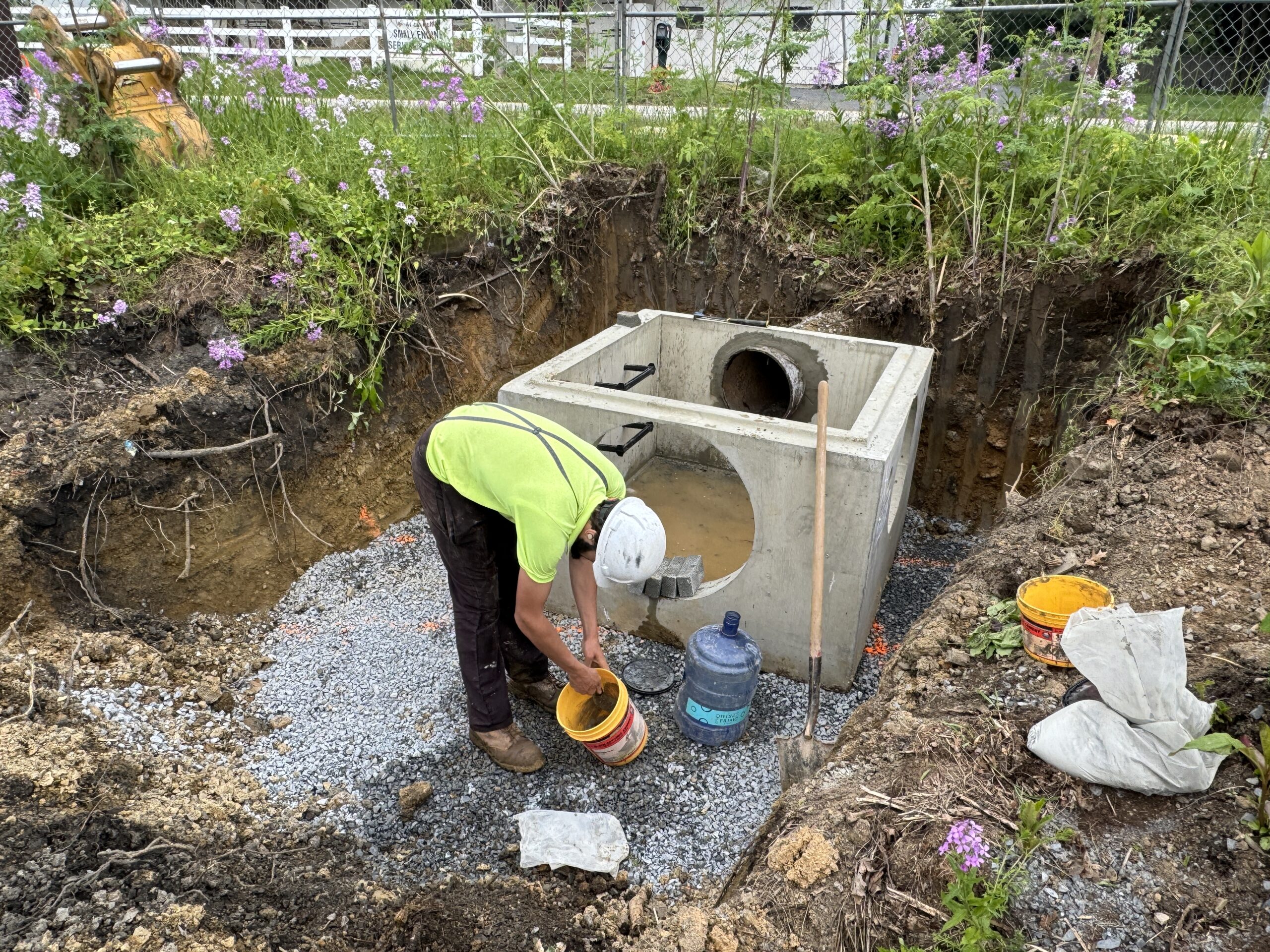
Choosing the right septic setup can feel overwhelming, especially when homeowners discover how many types of septic systems actually exist. Rural properties, small homes, and modern builds often need different designs, and every project comes with its own soil conditions, installation requirements, and local codes. Before selecting one of the many kinds of septic systems, people often ask: “How many types of septic systems are there?”, “Are certain systems outdated?”, “are septic systems bad for the environment?”, “Which options work best for a home sewage system?”
This guide breaks down the most common and the most advanced types of sewage systems for homes, including traditional, engineered, tankless, mechanical, and eco-friendly versions. We’ll compare performance, required leachfields, maintenance levels, and long-term value. You’ll also see when it’s necessary to call a professional septic system contractor, when an engineered system is mandatory, and how installation relates to the cost of putting in a septic tank or the cost of replacing sewer line if tie-ins are needed.
Table of Contents
Septic System Kinds and Cost
To help you compare the major septic system options, here’s a quick overview of average installation ranges and typical use-cases:
| System Type | Average Cost | Ideal For | Notes |
| Gravity / Traditional | $4,000–$8,000 | Rural homes | Cheapest, simple layout |
| Aerobic / ATU | $10,000–$20,000 | Small lots, strict codes | Uses oxygen + mechanical parts |
| Mound | $12,000–$25,000 | High water table | Engineered, elevated design |
| Drip Irrigation | $15,000–$28,000 | Limited soil depth | Precise dosing, tech-heavy |
| Sand Filter | $8,000–$18,000 | Poor soil | High filtration quality |
| Tankless / Recirculating | $10,000–$22,000 | Limited access | Compact but mechanical |
These costs vary depending on excavation difficulty, site slope, engineered requirements, and whether additional site preparation is needed before installation.
Conventional Septic System
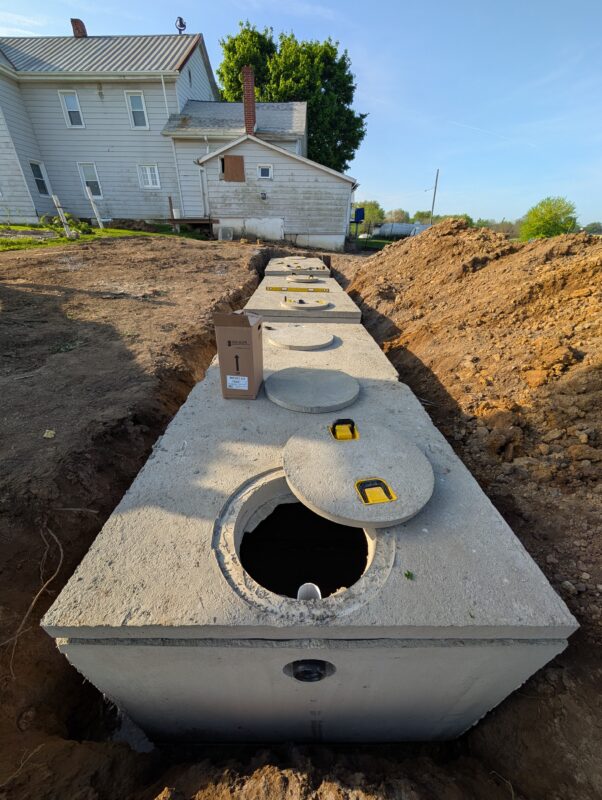
Often called a traditional septic system, this model remains one of the most widely used designs in the United States. It relies on gravity flow and a simple tank-to-field setup, which is why many homeowners consider it the most familiar among types of residential septic systems.
Pros
- Simple design and easy installation;
- Works well on rural properties;
- One of the cheapest system styles;
- Low maintenance and few mechanical parts;
- Ideal for standard soil conditions.
Cons
- Not suitable for areas with shallow groundwater;
- Requires enough land for drainage;
- May not meet stricter modern regulations.
Conventional Anaerobic Septic System
A conventional anaerobic septic system is similar to the classic setup but relies entirely on bacteria that thrive without oxygen. Waste breaks down slowly but consistently, making it one of the most reliable conventional septic systems available today.
Pros
- No electricity required;
- Low operating cost;
- Durable for decades with proper care.
Cons
- Slower digestion of solids;
- Can struggle in cold climates;
- Requires a properly sized leach field.
Chamber System
A chamber design replaces gravel with plastic chambers. It has become increasingly popular due to ease of installation and its compatibility with narrow or irregular lots.
Pros
- Faster installation — fewer materials;
- Good for homes with limited gravel access;
- Less disruptive excavation.
Cons
- Chambers may shift if soil is poorly compacted;
- Shorter lifespan compared to stone-and-pipe;
- Not ideal for high-strength wastewater.
Aerobic Treatment Unit (ATU)
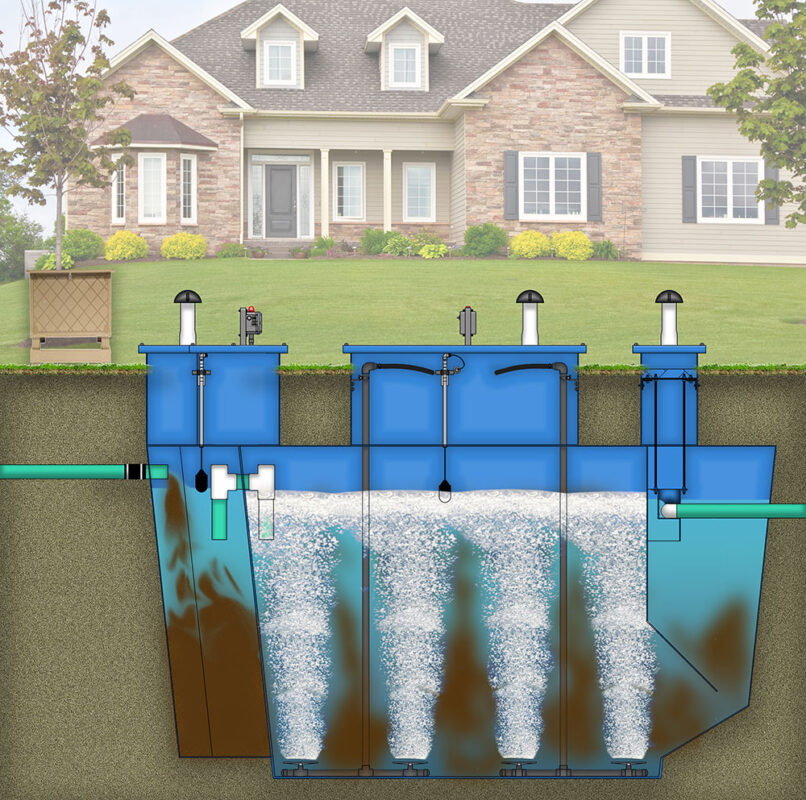
A standout among advanced systems, the ATU is often considered a modern septic system because it uses oxygen to accelerate waste breakdown. Some homeowners compare ATUs to a small household wastewater plant.
Pros
- Produces cleaner effluent than most different types of septic;
- Suitable for small lots with strict regulations;
- Works well with engineered soil setups.
Cons
- More expensive to install;
- Requires electrical power;
- Routine service is necessary for performance.
Mound Type Septic Systems
Mound systems are engineered elevated units built when the soil can’t support standard types of septic drain fields or when groundwater sits too close to the surface.
Pros
- Ideal for shallow, rocky, or wet soil;
- Highly engineered for better drainage;
- Reduces contamination risks.
Cons
- Visually noticeable (raised mound);
- Among the most expensive options;
- Requires careful long-term maintenance.
Drip Irrigation Septic
A drip system septic is one of the most technical types of sewage systems for homes, using pumps and timed dosing to distribute effluent evenly through small tubes.
Pros
- Works where other different types of drain fields fail;
- Great for sloped or heavily engineered sites;
- Precise effluent delivery improves soil absorption.
Cons
- High installation and maintenance cost;
- Complex mechanical components;
- Requires seasonal monitoring.
Recirculating Sand Filter System
This system combines natural filtration with engineered design. Wastewater passes through sand media layers, making it a reliable filtration septic system.
Pros
- Excellent purification;
- Performs well in difficult soils;
- Reduces nitrogen output.
Cons
- Requires pumps;
- Needs periodic sand replacement;
- Higher energy cost.
Evapotranspiration System
An evapotranspiration design uses evaporation and plant uptake instead of soil absorption. It’s far less common but still an option in dry climates.
Pros
- Ideal for arid regions with very little rainfall;
- No traditional drain field needed;
- Plants assist with natural wastewater removal.
Cons
- Only suitable for specific climates;
- Won’t work in areas with seasonal rain or snow;
- Requires careful vegetation planning.
Constructed Wetland System
Among eco-friendly choices, a constructed wetland system mimics natural marsh filtration. Homeowners who want greener septic treatment system options often explore this style.
Pros
- High environmental quality;
- Uses plants and microbes to break down waste;
- Suitable for properties prioritizing sustainability.
Cons
- Requires space to build a lined wetland bed;
- More seasonal maintenance;
- May attract wildlife, which not all homeowners want.
Cluster or Community System
Perfect for neighborhoods that share infrastructure, this form of home sewage system distributes cost and maintenance across multiple properties.
Pros
- Lower cost per household;
- Professional maintenance included;
- Efficient for rural subdivisions.
Cons
- Requires coordinated management;
- Limited customization per household;
- Entire community depends on shared performance.
What Are the Different Types of Septic Systems?
Homeowners often ask: “What types of septic systems are there?” and “How many types of septic systems are there?”
Below you will find a simple overview of the major categories discussed:
| Category | Examples |
| Traditional | Traditional septic system, conventional septic systems, conventional anaerobic septic system |
| Engineered | Mound, sand filter, drip irrigation |
| Mechanical | ATU, mechanical septic systems, tankless septic system |
| Eco-friendly | Wetland systems, evapotranspiration |
| Alternative | Alternative septic tank, chamber systems |
Together, these represent the most commonly installed types of residential septic systems in the U.S.
What Is the Best Septic System to Install?
The “best” option depends on soil, climate, and regulations—but homeowners often pick from three top-performing systems:
- Conventional septic systems are the cheapest and easy to maintain.
- Aerobic Treatment Unit (ATU) is the best for strict codes and advanced purification.
- Mound systems are the best engineered solution for poor soil.
If someone asks “What is the best septic system?”, the ATU usually wins for performance, while a gravity system wins for budget.
Common Homeowner Questions Answered
What are the three types of septic systems?
Most agencies group them as:
- Conventional (gravity, anaerobic);
- Mechanical (ATU, tankless, advanced units);
- Engineered (mound, sand filter, drip).
What is the newest septic system?
Recent innovation points to tankless septic system designs and high-efficiency mechanical septic systems, which reduce footprint and improve effluent clarity.
What’s the worst thing for a septic tank?
Grease, wipes, chemicals, antibacterial cleaners, and excessive water usage. These disrupt bacterial activity and clog types of septic drain fields.
What are the advantages of a septic tank?
- Lower utility cost;
- Independence from municipal sewer;
- Long lifespan;
- Works well in rural areas.
What is the cheapest septic tank option?
A basic gravity-fed traditional septic system is typically the most affordable.
What is the latest technology in septic systems?
Sensor-based dosing pumps, smart monitoring, and compact modern septic system layouts with advanced filtration.
What is a modern septic system?
It’s a system that uses mechanical aeration, engineered media, and enhanced filtration—like ATUs, drip systems, or ecological wetland designs.
What is the difference between a Class 1 and Class 2 septic system?
- Class 1: High-level treatment units (ATU, packaged units).
- Class 2: Basic septic systems with minimal mechanical components.
Final Comparison: Pros and Cons Table
| System Type | Pros | Cons |
| Gravity / Conventional | Cheap, simple, long-lasting | Needs good soil, large area |
| Anaerobic | Low cost, no electricity | Slow digestion, may clog |
| Chamber | Easy install, flexible | Shorter lifespan |
| ATU | Cleanest effluent, compact | Mechanical upkeep |
| Mound | Works in poor soil | Expensive, visible mound |
| Drip | Precise dosing | Complex and costly |
| Sand Filter | Good filtration | Pump and energy cost |
| Wetland | Eco-friendly | Requires space |
| Evapotranspiration | No drain field | Limited climates |
| Community | Shared cost | Shared responsibility |
Before You Install: Important Note
No matter which system you choose, installation isn’t just about placing a tank in the ground. A well-designed septic layout depends on soil depth, slope, groundwater levels, property boundaries, and even future expansion plans for the home. This is why most homeowners eventually realize that professional planning saves money, not adds to it.
Before moving forward, consider the following real-world factors:
- Comprehensive site evaluation. A licensed specialist must assess percolation rates, soil texture, and seasonal water levels. These determine whether a gravity-style system is possible or whether engineered solutions (mound, sand filter, or drip) are required.
- Excavation service requirements. Some lots require deep digging, rock breaking, or reshaping the land before installation can begin. Excavation complexity can easily affect the overall project timeline and price.
- Site preparation quality. Proper grading, access paths for equipment, and stabilized soil layers help prevent tank shifting, pipe damage, or drain field saturation years later. Skipping prep is one of the fastest ways to shorten a system’s lifespan.
- Impact on plumbing connections. Homes with older pipes may need upgrades or partial replacement. In many cases, re-routing wastewater lines influences the total cost of replacing sewer line, especially if the home’s original layout wasn’t designed for a modern system.
- Tank-related expenses. Choosing a larger or reinforced tank, adding risers, or upgrading materials can change the cost of putting in a septic tank. Even small component changes have long-term implications for service, inspections, and maintenance access.
- Regulatory approvals. Some counties require engineered diagrams, multiple inspections, or environmental reviews. Improper paperwork can delay installation for weeks.
- Homeowner lifestyle and future plans. A growing family, adding bedrooms, installing a basement apartment, or expanding a workshop may require additional capacity. Choosing a system that accommodates future needs prevents premature upgrades later.
When everything is combined (the land, engineering, excavation, regulations, and long-term usage), it becomes clear that installing a septic system is a multi-step construction project, not just a product purchase. This is why working with an experienced septic system contractor or sewer contractor is essential. Their expertise ensures that the system meets local codes, performs efficiently, and protects the property for decades.