Artificial Basketball Turf

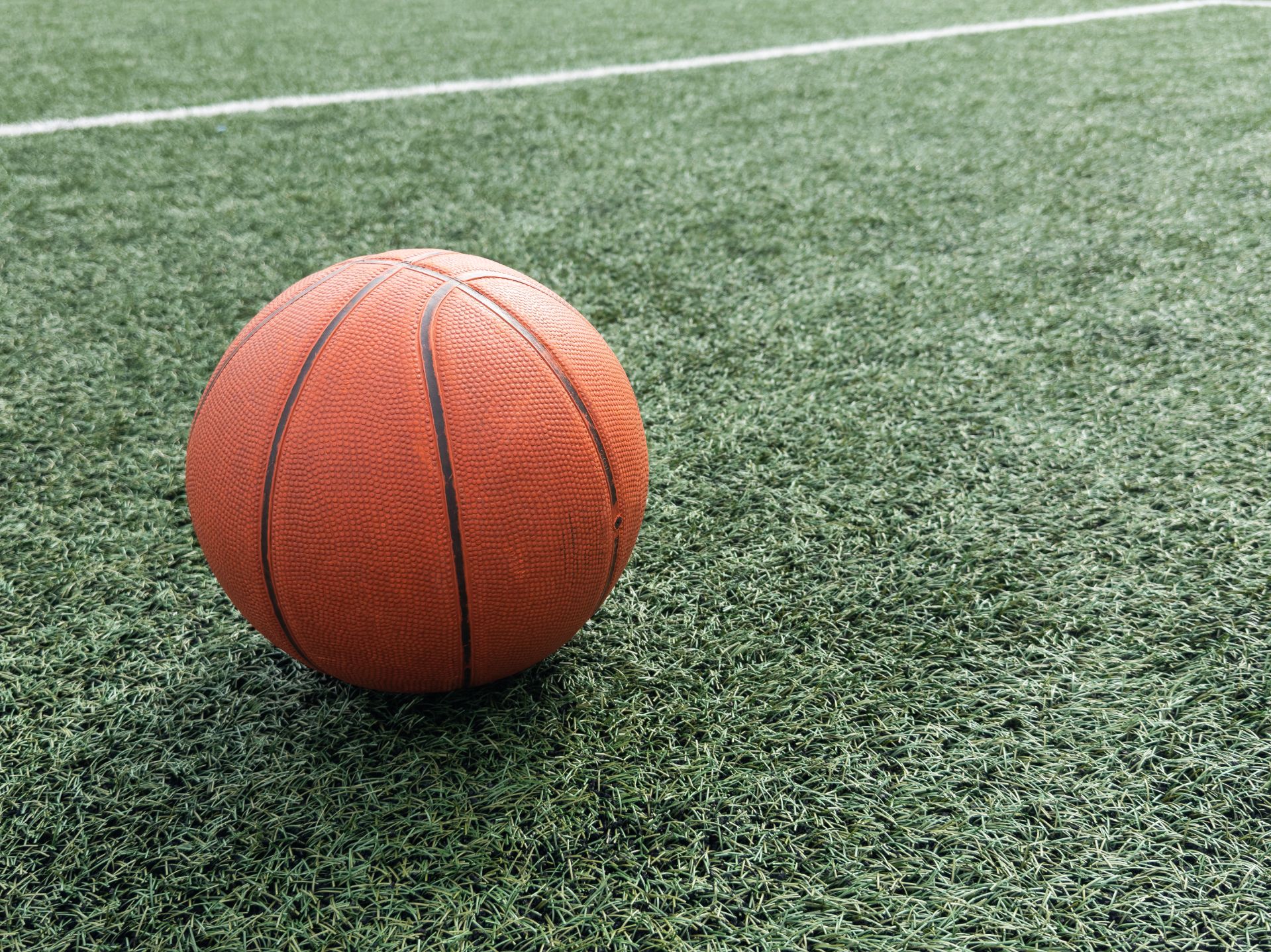
Thinking about building a backyard basketball court? Good call. But here’s where most people get stuck – the surface. Concrete is rough on joints, cracks over time, and turns slippery when wet. Natural grass? Forget dribbling on that. The short answer: a turf basketball court is one of the smartest upgrades you can make to your outdoor space. It plays well, looks great, and holds up for years without much maintenance.
Table of Contents
What Is Artificial Basketball Turf?
Artificial turf for basketball courts is a synthetic surface made from polyethylene or nylon fibers, installed over a compacted aggregate base with an infill layer – usually crumb rubber or silica sand – brushed into the fibers. The infill is what gives the surface its cushion, stability, and consistent bounce response.
Sports-grade synthetic grass basketball court products use shorter pile heights (typically 1 to 1.5 inches) and a firmer backing, specifically designed to handle the quick stops and lateral movement that basketball demands.
Not all artificial grass performs the same way. This is one area where going with a lower-quality product will cost you later.

Why Choose Artificial Turf for Basketball Courts?
Modern artificial grass basketball courts are built for performance, not just aesthetics. The fibers are shorter and denser than standard lawn turf, which creates a consistent surface for dribbling and quick lateral cuts. It won’t replicate hardwood exactly – let’s be upfront about that. But for a backyard setup? Surprisingly capable.
Here’s the part that matters: you can actually play basketball on artificial grass without the surface degrading after the first rainy week. Unlike natural grass, it drains fast, stays level, and doesn’t turn into a muddy mess after a storm.
Setting up basketball turf for backyard play is one of the most practical decisions a homeowner can make. You skip the costly concrete pour, avoid the never-ending upkeep of real grass, and end up with a surface that performs in most weather conditions.
What makes it work for backyards specifically:
- No watering, mowing, or reseeding
- Stays even and green year-round
- Soft enough to cushion falls – important with younger players
- Blends naturally into the surrounding lawn area
A few genuinely solid reasons – beyond just looks.
- Durability. A properly installed artificial turf basketball court can last 15 to 20 years. That’s a lot of games.
- All-weather play. Rain? Not an issue. Quality artificial grass for basketball courts typically drains at 30+ inches per hour – so you’re back on the court fast.
- Low maintenance. No mowing, no reseeding. Occasional brushing and a rinse now and then. That’s it.
- Safety. The infill cushions impact – actually better than concrete in many situations. That matters when kids are playing.
- Clean look. A well-installed court with crisp markings looks like something out of a sports catalog. It genuinely elevates the whole backyard.
And here’s something worth emphasizing: professional installation makes a real difference. DIY turf projects often run into drainage issues, seaming problems, and uneven bases that ruin the playing surface entirely. Working with a qualified artificial turf installer from the start is almost always the smarter call.
How to Install Artificial Basketball Turf: A Step-by-Step Guide
The installation process isn’t complicated, but each stage matters. Here’s how it typically goes:
- Site clearing and assessment – Existing grass, roots, and debris are removed. The ground is graded for proper drainage.
- Base preparation – A compacted crushed aggregate layer (usually 4-6 inches deep) is installed. This is the most critical step for long-term performance.
- Weed barrier – A permeable fabric layer goes down before the turf is laid.
- Turf installation – The artificial turf for basketball court is rolled out and cut to fit the court dimensions.
- Seaming – Any joins are carefully glued and secured to eliminate gaps.
- Infill application – Crumb rubber or silica sand is brushed into the turf fibers.
- Court line marking – Lines are painted directly onto the surface or applied as inlaid tape.
For a full technical walkthrough, how to install artificial grass covers each step in detail. And if you’re trying to get a realistic sense of the budget before anything else, fake grass installation cost is a solid place to start.
One note: base prep is where most amateur installs go wrong. Skimping there leads to drainage issues and surface irregularities that make the court frustrating to play on – sometimes within the first season.
How Much Does Artificial Basketball Turf Cost?
Real numbers. A full artificial grass basketball court installation typically runs between $6,000 and $20,000, depending on size, turf grade, and court line method.
A standard half-court (around 1,200-1,500 sq ft) costs noticeably less than a full court. For most backyard projects, the range lands somewhere between $8,000 and $12,000 for a quality, professionally done job.
What affects the final number:
- Court size
- Turf quality and price per square foot
- Complexity of base preparation
- Local labor rates
The team at Site Prep LLC can give you a realistic, specific estimate based on your actual yard – not a vague range. If you’re also thinking about upgrading the surrounding lawn area, check out artificial grass for backyard for options that tie the whole space together.
FAQ
Yes – absolutely. Modern synthetic grass basketball courts are designed for real gameplay. The surface is firm enough for dribbling, drains quickly after rain, and handles lateral movement well. It won’t feel like hardwood, but for outdoor recreational playing, it’s excellent.
With professional installation and average upkeep, most artificial turf systems last 15-20 years. Turf quality and infill type are the biggest factors.
Yes. Quality fake grass basketball court systems use infill that cushions impact – often safer than concrete. The consistent surface also reduces trip hazards compared to natural ground.
Yes. Site Prep LLC handles basketball court installations – from site prep and base work to turf installation.
Crumb rubber offers more cushioning. Silica sand gives a firmer, faster surface. Many professional installations use a blend of both for balanced performance.