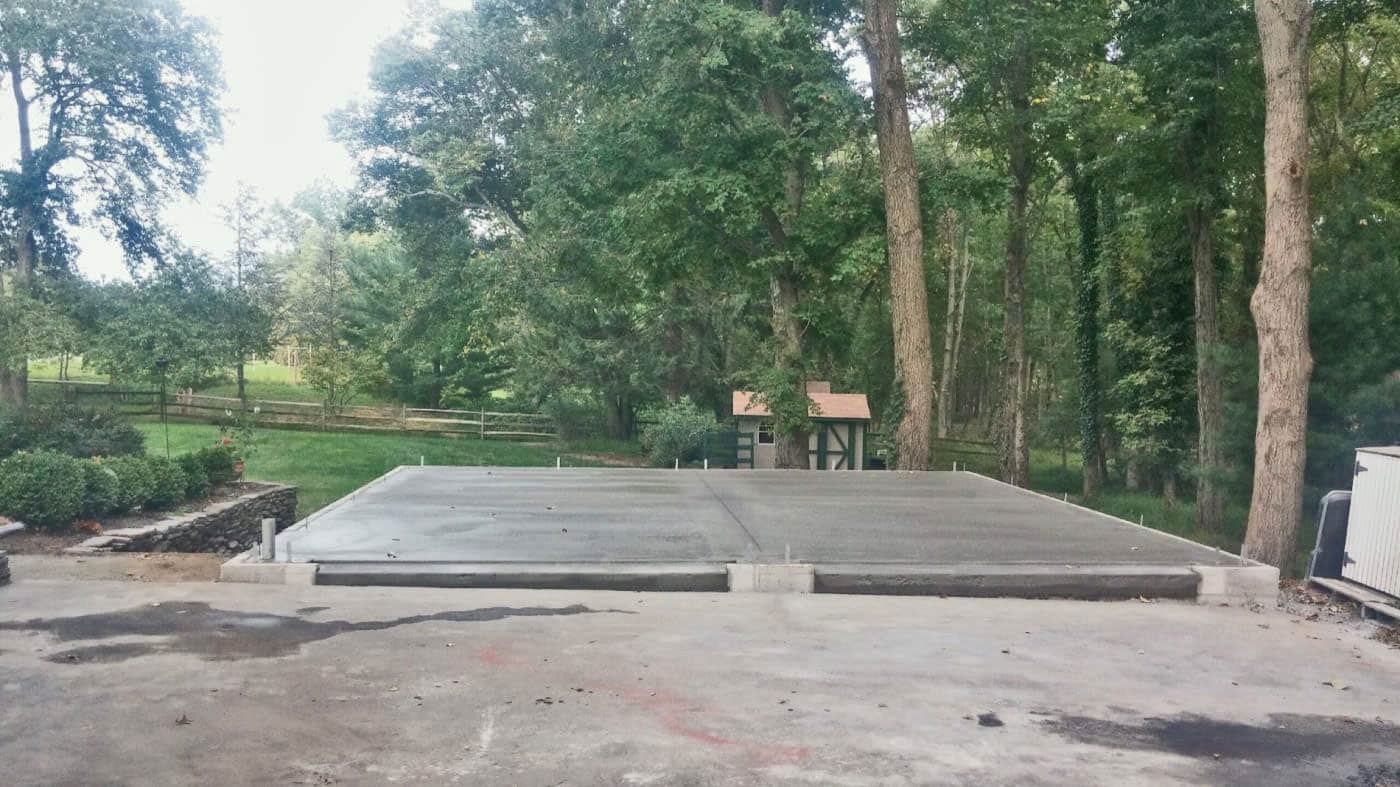
How Much Does a Foundation Excavation Cost

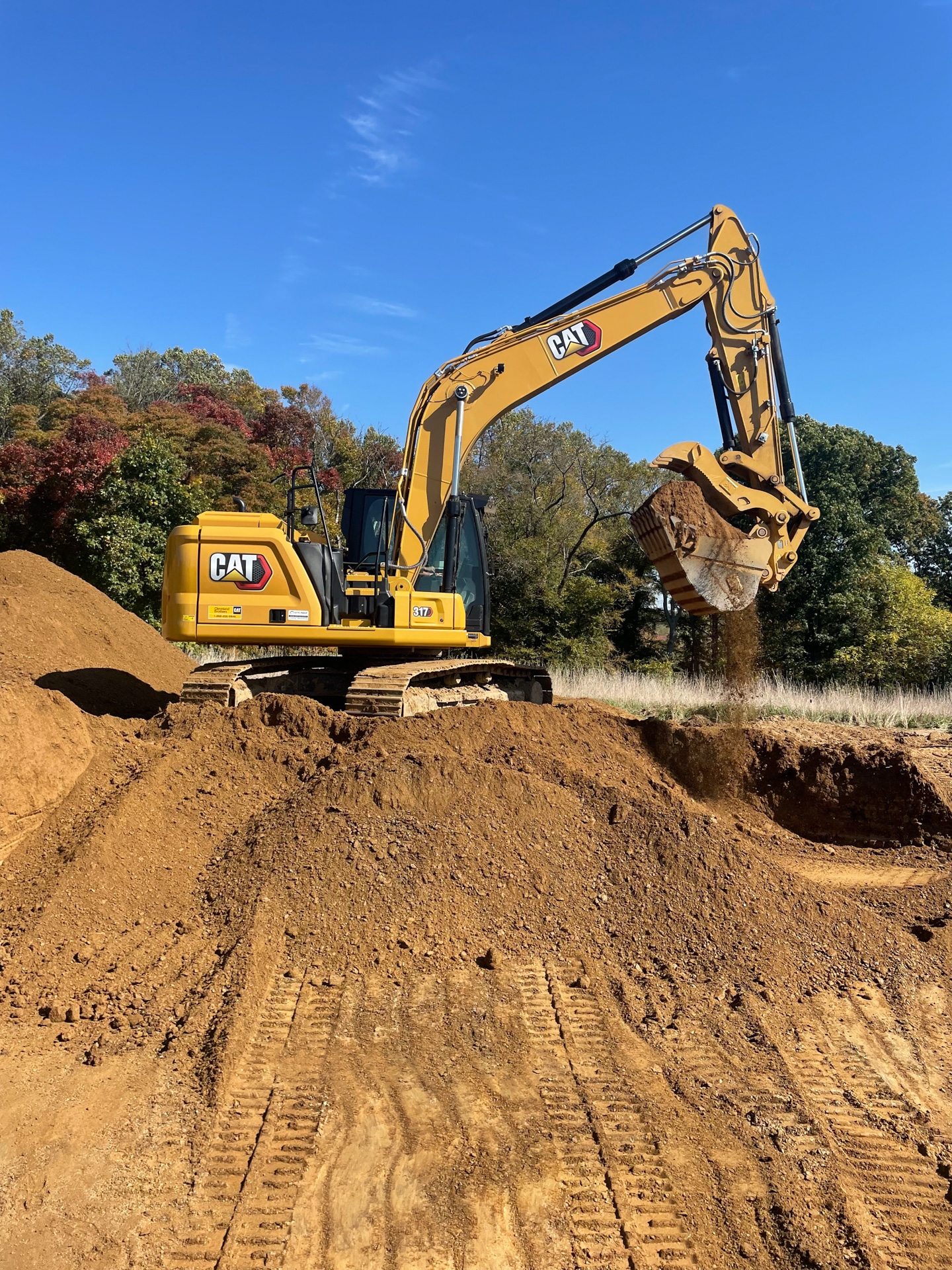
If you’ve been toying with an idea of a construction project, it’s vital to understand what it all begins with. Before admiring solid foundation walls, you should weigh the cost to dig foundation. Foundation excavation typically costs between $5,000 and $12,000 for most residential projects, though the final price can vary significantly based on several factors: soil type, site settings, cost of dirt work, drainage concerns, and place cleaning. It’s not always easy to predict the costs of residential excavation services, but we’ve made the process simple and stress-free for you. Learn how much it costs to excavate land for a house in our comprehensive expert guide!
Table of Contents
Foundation Excavation Cost Overview
The average excavation costs start from a few thousand dollars and exceed $10,000, based on a particular contractor’s pricing politics and unpredicted additional expenses. Some count the cost of excavation per cubic yard, and others entirely rely on site settings when forming the price of excavation. It’s crucial to clarify all details and labor costs with a contractor prior to beginning the groundwork to prevent misunderstanding and frustration in the future.
Foundation Excavation Cost Breakdown by Foundation Type
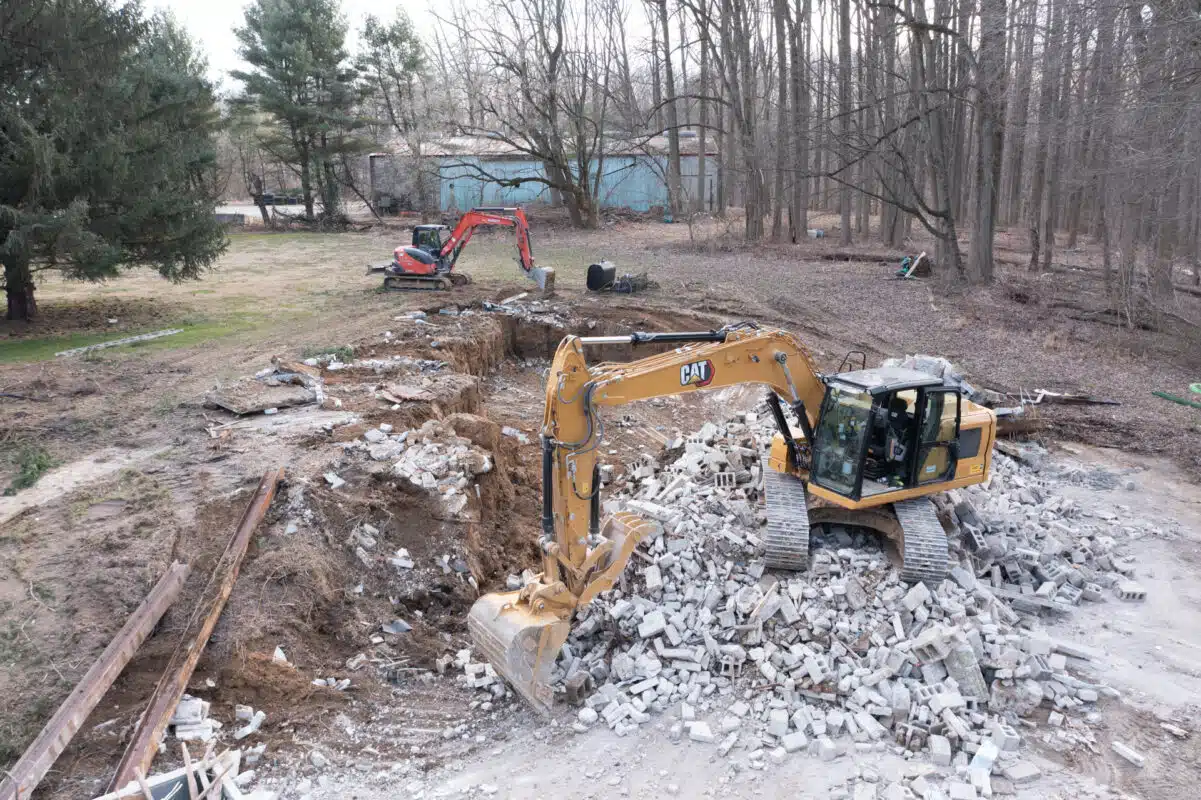
Since some projects involve minor digging, and others imply moving bulky soil amounts, excavating basement costs differ from those for a gazebo or a garage. Let’s explore conventional foundation excavation costs for various construction types.
| Foundation Project | Excavation Cost | Price Rationale |
|---|---|---|
| House foundation excavation | $5,000–$12,000 | The cost of excavation for foundation of an upcoming home or small commercial building involves soil removal, but waterproofing services and the installation of a drainage system may be calculated separately. |
| Basement excavation | $5,000–$30,000 | Hefty excavate basement cost is totally justified as it may cover site cleanup, inspecting underground hindrances, eliminating massive amounts of soil, and handling drainage matters. |
| Driveway and patio excavation | $1,000–$2,500 | The price depends on the materials, project’s size and complexity, and location. It typically includes grading and compacting the dirt. |
| Shed, garage, or pole barn excavation | $1,000–$5,000 | The terrain’s size, materials, labor rates, and amendments like land leveling affect the price. You might need extra land clearing for a heavily wooded area, comprising shrubbery, stump, tree, and rock removal. |
| Excavation for gazebos and pergolas | $2000–$6,000 | Foundations for gazebos or pergolas have to withstand the impact of wind, snow, and time. The price increases if you need a concrete base or deck reinforcement, but it will contribute to the home’s value. |
| Excavation for artificial turf | $10–$15 per square foot (a typical 500 sq. ft. artificial turf project) | Artificial grass installation cost depends on the material quality, soil removal, front or backyard turf areas, and turf infill arrangement. |
| Excavating for plumbing | $500–$1,200 | Plumbing excavation involves the move of soil and rocks and requires special equipment like a mini excavator to access underground areas. Manual digging may be preferred to prevent drainage damage. |
| In-ground swimming pool excavation | $1,500–$20,000 | Earthwork costs less if the soil is soft and free of hindrances but increases for challenging areas with boulders or rock ledges that need further blasting. Above ground pool installation costs range from $1,800 to $5,000 and suit homeowners unready to invest into a permanent structure. It’s not positioned in line with a lawn like the in-ground version but sits 1.2–1.8 meters above the ground. |
| Site preparation and foundation excavation for landscaping | $500–$8,000 | Site preparation costs and landscaping restoration may take up to 80% of the final pricing. The sum depends on the project’s size, complexity, and extra leveling. You may need to pay $5–$12 per linear foot for trenching, $7,500–$22,500 for lawn installation, and $4 –$12 per square foot for landscaping. |
| Crawl space excavation | $3,000–$10,000 | Digging out a crawl space cost can prove beneficial by providing additional storage space or a viable home part with right moisture control and airflow systems. |
Keep in mind that excavation foundation cost varies according to geographic location. For example, the labor rate in New York City exceeds that in Philadelphia for 15–25%, while in rural Pennsylvania, you have to pay 10–20% less compared to Philadelphia prices.
How Excavation Companies Calculate Foundation Costs

Contractors typically apply these assessment strategies:
- Pricing per cubic yard. Many companies ask $2,5–$15 per cubic yard, taking into account site accessibility and overall project costs.
- Hourly excavation rates. Operating costs vary from $100 to $300 per hour, depending on the machinery size. Given that it’s expensive to maintain excavation equipment, hiring operators with mini excavators costs more than specialists without them. Most contractors charge 8+ hours.
- Excavation cost per square foot. This charge is mainly applied to small building projects with a shallow excavation depth.
- Single project estimate. Some contractors prefer a set fee for larger projects, such as foundation excavation, concrete patios, in-ground pools, and crawl spaces.
To calculate approximate excavation costs prior to contacting a contractor, use the following formula:
V= L*W*H,
where “V” equals the excavated area’s volume counted in m3, “L” means length, “W”—width, and “H”—height (or depth). Then multiply the found volume by the price of the area per unit. If you have any trouble with identifying the pricing, you may request a quote from our responsive team, and we’ll eagerly help you identify the sum!
What Affects Foundation Excavation Costs
Soil type, depth, and unforeseen hindrances impact excavation costs. Let’s examine these factors more precisely.
Soil Type and Ground Conditions
The types of soil present on the site encompass:
- Clay. This earth type is sticky and dense, which requires specialized heavy-duty equipment. Excessive moisture can make clay unstable, enhancing the risk of slumping in deeper excavation works.
- Sand. Sand is loose and granular, so it necessitates machinery that can operate in shifting settings to prevent surface disruption.
- Gravel and loam. This soil type can be challenging to compact, and large rocks present in loose gravel might call for specialised equipment.
- Rock and hardpan. Solid rock or compacted layers need equipment with high-torque capacities. Rocky terrain is considered the most arduous to process.
Excavation expenses are lower when the soil is soft and higher if it’s excessively loose, large rocks are present, or extra reinforcement is needed. For example, you should add 25–50% for terrains with clay soil conditions.
Excavation Depth Requirements
Excavation projects performed at greater depths require soil stability to avoid hazardous situations. This translates to higher costs, as the final price is affected by heavy machinery, fuel, labor, and additional safety measures:
- Shallow excavation (4–6 feet) ranges from $100 to $150 per linear foot;
- Deep excavation (over 8 feet) costs $200–$300 per linear foot.
Deeper excavations can add $50–$100 per linear foot to overall project expenditures.
Site Access and Excavation Complexity
Each site is unique, so labor costs are calculated individually for a specific request. For example, it might be challenging for a bulky excavator to maneuver in tight urban settings, and manual labor can add to pricing.
Excavation is more complex in the case of rocky soil and underground obstructions, such as buried debris or old foundations. On average, difficult site access adds 25–50% to total expenditures.
Additional Excavation Costs and Hidden Fees
Let’s compile which specific conditions can increase excavation costs:
- Numerous trees. A contractor needs more equipment and time for clearing trees, removing debris, and terrain leveling, so you might need to pay an extra $500–$5,000.
- Topsoil removal, landscaping, and grading. Moving the first layer of excavated soil might entail extra fees.
- Deeper earth excavation. Deeper digging for the foundation takes more time, labor, and fuel usage, which impacts dirt removal costs.
- Large boulders. A rocky area may require specialized equipment, jackhammering, or blasting.
- Trenching. Indispensable for foundation footings, drainage systems, and septic tanks.
- Hard-to-access spots. If heavy machinery can’t enter the area, additional labor may be needed.
- Permit fees. Local regulations may involve fee permits for excavation (around $50–$400).
- Soil disposal. Based on disposal site distance, getting rid of excavated soil can cost $8–$25 per cubic yard.
- Unforeseen obstacles. Poor soil conditions and underground utility lines may need extra labor time and excavation expenditures.
It’s essential to consider possible extra costs, except for base expenses, when planning your budget. An experienced contractor can help you tackle these excavation challenges.
DIY vs. Professional Excavation
Proper excavation is more than digging a hole, and a lack of expertise can lead to costly mistakes. DIY risks include damaging utilities, wrong waterproofing, and weakening constructional integrity, which require money to fix.
Excavation projects require competency, skillfulness, and heavy-duty machinery. A professional contractor assesses soil conditions before starting work and uses specialized equipment to spot utilities. Though you can do minor land excavation on your own, it’s better not to play around with deep excavation work. If you damage a utility line, a repair can cost around $5,000–$50,000!
How to Hire a Foundation Excavation Contractor
Launching a construction project requires hiring an experienced excavation contractor to ensure seamless collaboration and successful outcomes. Here’s how to choose one:
- Clarify your building needs before addressing a potential contractor.
- Examine reviews, testimonials, and case examples of different excavation companies online.
- Check the contractor’s qualification and experience to avert unexpected incidents.
- Ensure they use advanced equipment that fits your project.
- Ask for a detailed estimate before signing any contract.
- Specify the timeline and possible challenges.
- Check on whether the contractor offers follow-up services, such as site cleaning, backfill, and landscaping.
Best contractors take into account project size and complexity, existing terrain conditions, and potential hardships. If you need any type of excavation or concrete works, Site Prep’s pros will gladly guide you from the preparative phase of your building project to its successful embodiment!