
How to Increase Home Value: 10 Best Improvements

The fastest way to increase home value is usually not one huge remodel. It is a stack of smart, visible, buyer-friendly updates. Fresh paint. Better kitchens and baths. Strong curb appeal. Useful outdoor space. Clean site work. Those are the home improvements that tend to move resale, improve valuation, and create the best return on investment home improvements for real owners – not just in theory, but in the real market.
And that matters, because buyers notice condition fast. They notice maintenance too. A house that feels clean, updated, and easy to own has a better shot at a stronger sale price. In many cases, the right mix of improvements that increase value can realistically help raise price by $20,000 to $50,000. A 60% jump is possible, but usually only when the property starts far below market standard and the renovation is much deeper.
Table of Contents
Best home improvements to increase value
The best home improvements are usually the ones that make a house look well cared for, work better day to day, and feel easier to own. Buyers notice that stuff fast. Appraisers do too. If you are trying to improve resale without wasting money, focus on updates that balance appearance, function, and long-term practicality.
Artificial grass
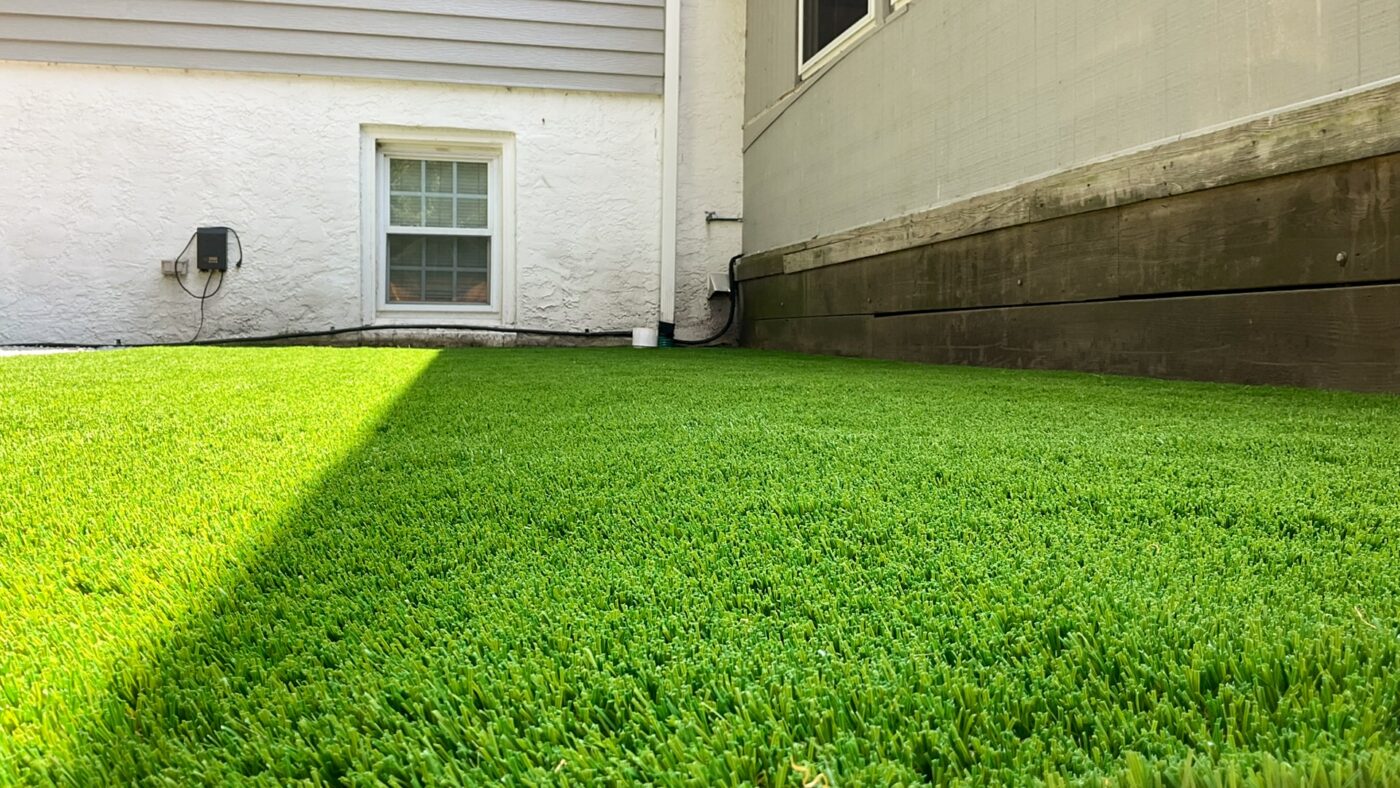
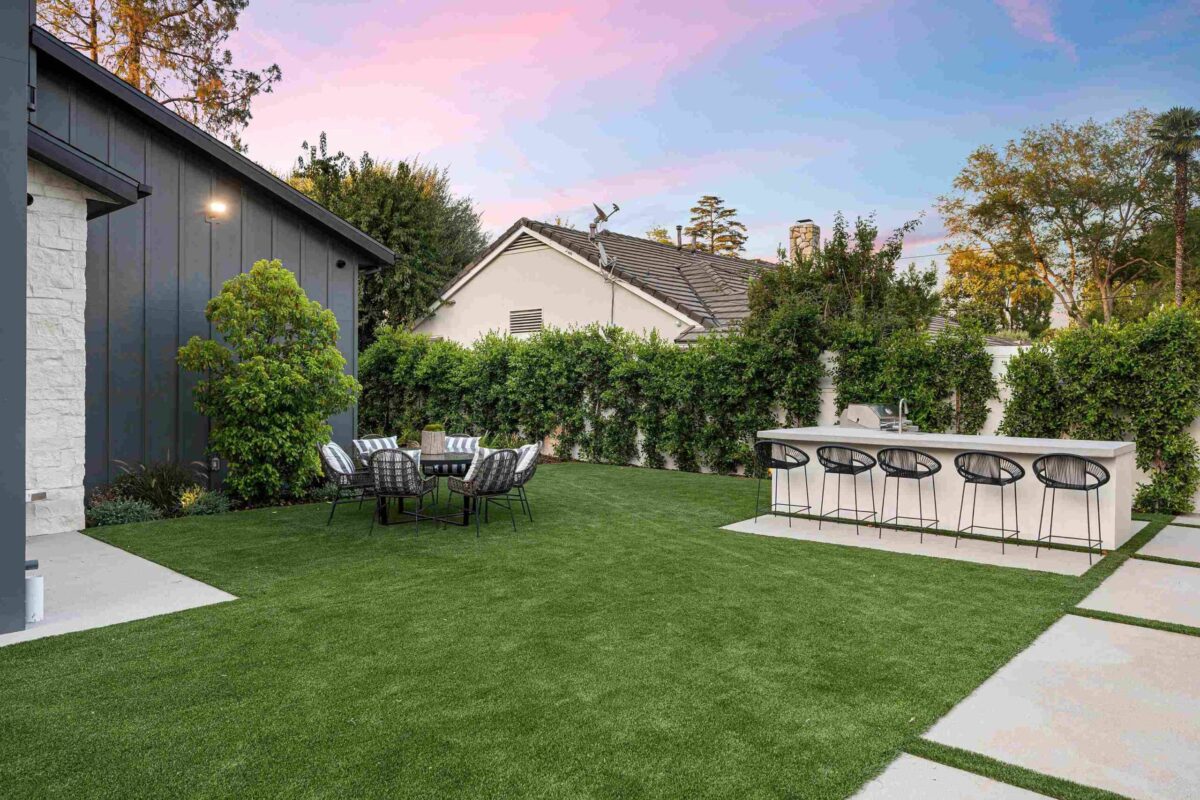
Artificial grass has become one of the more practical home upgrades in markets where natural lawns struggle. And honestly, that makes sense. A patchy yard looks neglected. A clean, consistent turf surface looks finished.
For homeowners working with Site Prep, this is one of the clearest ways to improve curb appeal, cut maintenance, and create cleaner listing photos. It also fits the kind of home upgrades that add value because it removes friction – less watering, less mud, less visual mess. If you want the turf-specific angle, read does artificial grass increase home value.
Typical investment and return: Installed artificial grass commonly costs about $10 to $25 per square foot, depending on material, prep, drainage, and labor. I would frame the value here less as fixed national ROI and more as stronger buyer appeal, cleaner presentation, and lower maintenance, because those benefits vary heavily by market.
Fresh interior paint
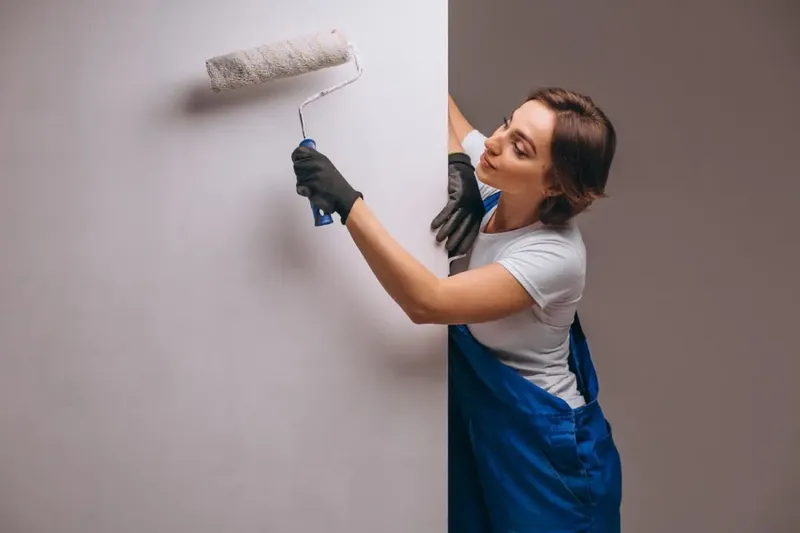
Paint is still one of the most reliable ways to improve resale. It is simple, but it changes everything. Rooms look brighter, cleaner, and less personal. Buyers can picture themselves there more easily, which is half the battle.
It also helps smooth over the low-level wear that quietly drags perception down – nail holes, scuffs, old color choices, tired trim. Among all the home upgrades that add value, this is still one of the easiest wins because the project is relatively cheap and the visual shift is immediate.
Typical investment and return: A full interior paint refresh often costs around $3,000 to $5,000 and industry estimates put average ROI at about 107%, making it one of the most profitable low-cost updates before listing.
Minor kitchen remodel
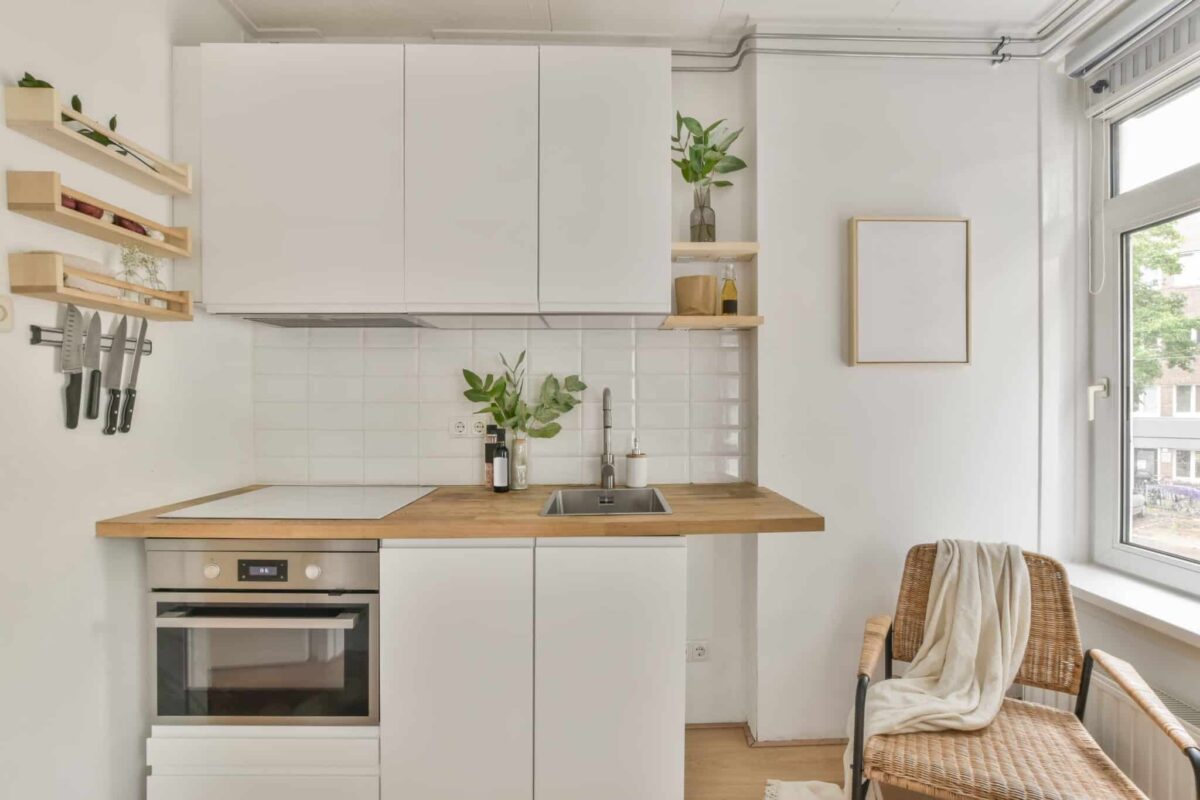
Kitchens carry emotional weight. People walk in and decide very quickly whether the space feels current or like a future headache. The good news is that a full gut renovation is not always necessary.
A minor kitchen remodel often works better for resale than a luxury overhaul. New hardware, fresh cabinet paint, modern lighting, better counters, updated fixtures – these home improvements that add value improve both function and buyer perception without pushing the budget into dangerous territory.
Typical investment and return: The 2025 Cost vs. Value data puts a midrange minor kitchen remodel at about $28,458 with about $32,141 recovered at resale, or roughly 112.9% cost recovery.
Bathroom updates
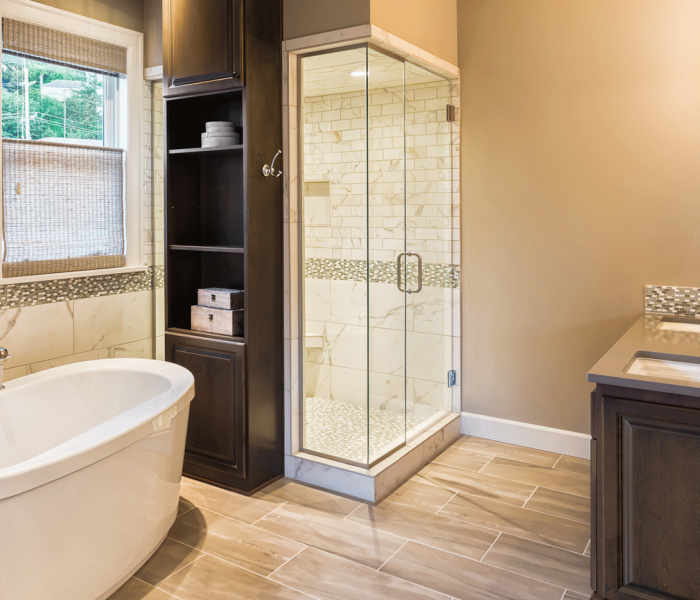
Bathrooms are small, which means every flaw feels louder. Old lighting, worn vanities, stained grout, dated fixtures – all of it reads as neglect faster than most homeowners expect.
That is why bathroom updates remain one of the most dependable home upgrades that add value. Not because every buyer wants a spa, but because they want clean, functional, low-drama spaces. A straightforward refresh usually beats a flashy remodel with expensive finishes.
Typical investment and return: A midrange bathroom remodel averages about $26,138 and returns about $20,915, or roughly 80% cost recovery.
Flooring replacement
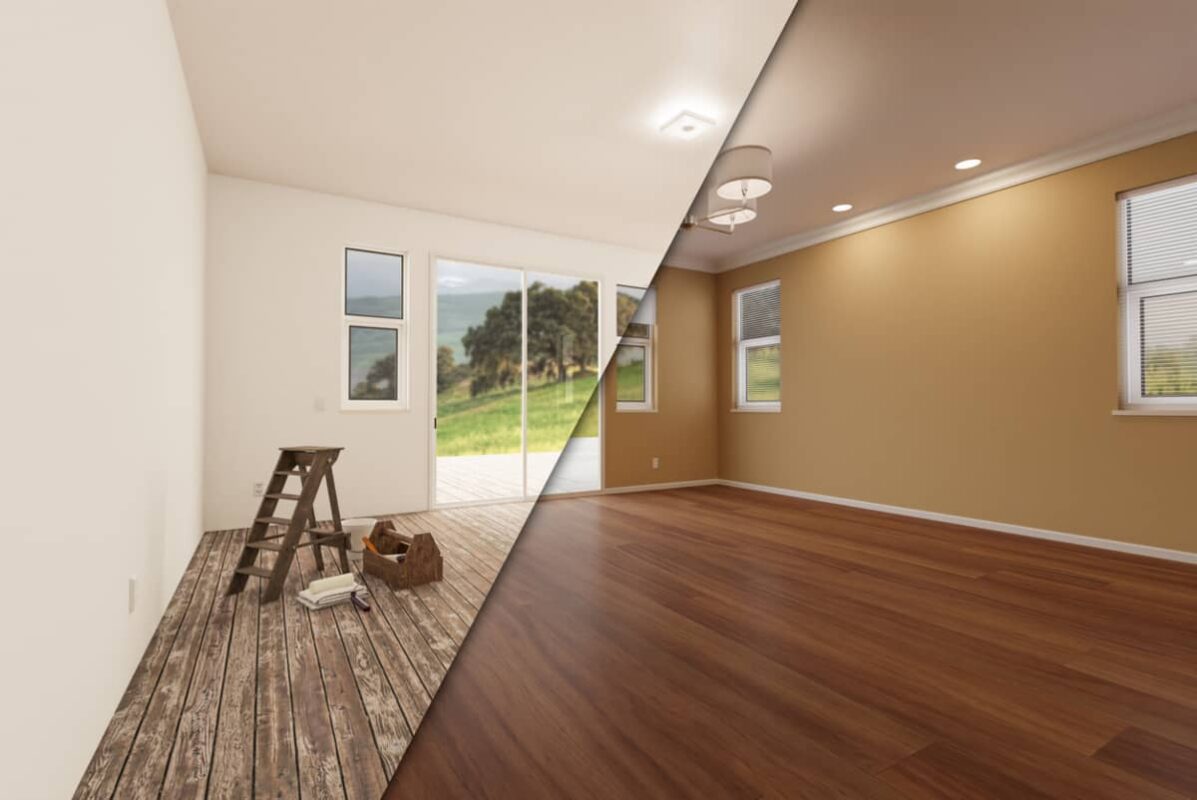
Bad flooring drags down the whole house. It makes even updated rooms feel off. Worn carpet, mismatched transitions, scratched surfaces – these things are not always dramatic, but they quietly hurt value.
Consistent flooring makes a home feel calmer, larger, and better maintained. And if there is hardwood under the surface, refinishing can be one of the highest roi home improvements on the interior side. This is one of those improvements that increase value because it upgrades the backdrop of every room at once.
Typical investment and return: NAR’s Remodeling Impact Report estimated hardwood refinishing at about $3,400 with $5,000 recovered, or 147% ROI. New wood flooring averaged about $5,500 with $6,500 recovered, or 118% ROI.
Curb appeal and front entry
First impressions are unfair. But they are real.
A clean front entry, updated lighting, trimmed landscaping, washed walkways, and a better-looking door can shift buyer perception before anyone steps inside. That is why curb appeal remains one of the smartest ways to increase home value. It changes expectation. And expectation changes how everything else is judged.
Quick curb appeal fixes often include:
- repainting the front door
- replacing dated lights
- cleaning siding and paths
- trimming shrubs and edges
- updating house numbers and hardware
Typical investment and return: A steel entry door replacement averages about $2,435 and adds about $5,270 in resale value, or roughly 216.4% cost recovery.
Energy-efficient improvements
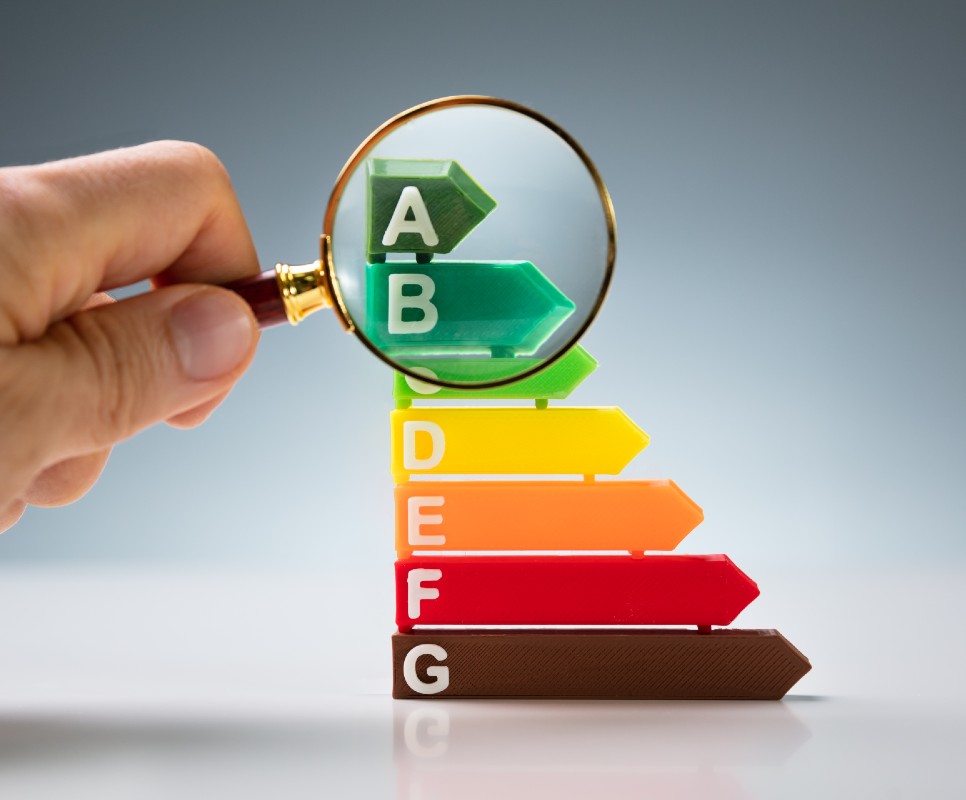
Efficiency is not always flashy, but buyers care more than they used to. Lower bills, better comfort, less wasted heat or cooling – those things support value even when they do not create a dramatic visual moment.
This is why practical upgrades like insulation, sealing, and efficient systems still belong on any serious list of home improvements that add value. They support the idea that the house has been maintained well, and that lowers buyer resistance. Quiet value is still value.
Typical investment and return: NAR found that an insulation upgrade sits at about 100% cost recovery, making it one of the cleaner practical plays for owners who want resale logic, not just cosmetic change.
Outdoor living space
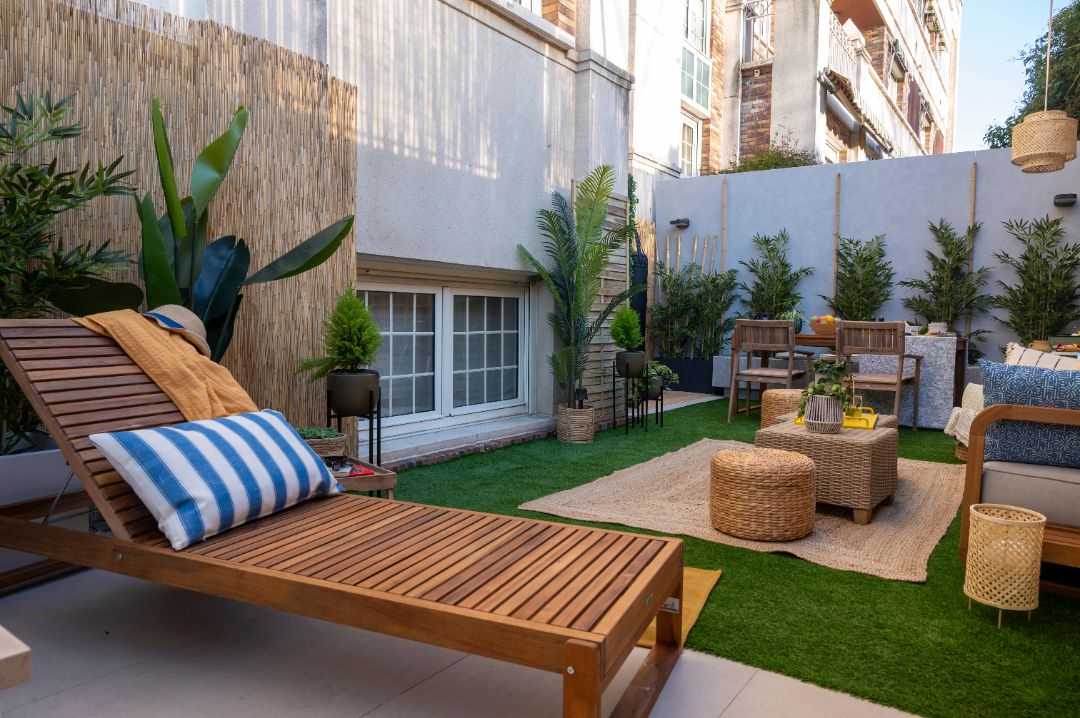
Outdoor space is no longer a bonus. Buyers read it as usable square footage, even when it is not counted that way. A patio, lounge area, or defined entertaining zone can make the home feel larger and more complete.
That is why this category keeps showing up among home improvements that add value. The trick is not to overbuild. Functional and simple usually beats oversized and expensive. For more ideas in this direction, see backyard improvements that add value.
Typical investment and return: NAR’s outdoor report estimated a new patio at about $10,500 with about $10,000 recovered, or roughly 95% cost recovery. Bigger high-end patio projects can recoup much less – the national Cost vs. Value figure for a more elaborate backyard patio was about 46%.
Turf yards for dogs

This one is more important than it looks. A lot of buyers have dogs. And a lot of yards do not handle dogs well.
Turf yards for dogs solve muddy paws, worn grass, and the constant patch-repair cycle. They feel intentional. They make outdoor space easier to use. And when upgrades increase home value by making life easier, they usually outperform purely decorative ideas. Many homeowners start with searches like artificial turf installers near me because the details – drainage, odor control, durability – matter more here than just price.
Typical investment and return: Pet-friendly turf systems usually land in a similar installed range, often $10 to $25 per square foot, sometimes more with odor-control infill and added drainage layers. The payoff is best understood as buyer usability and resale appeal, especially in pet-heavy suburban markets.
Drainage and grading fixes
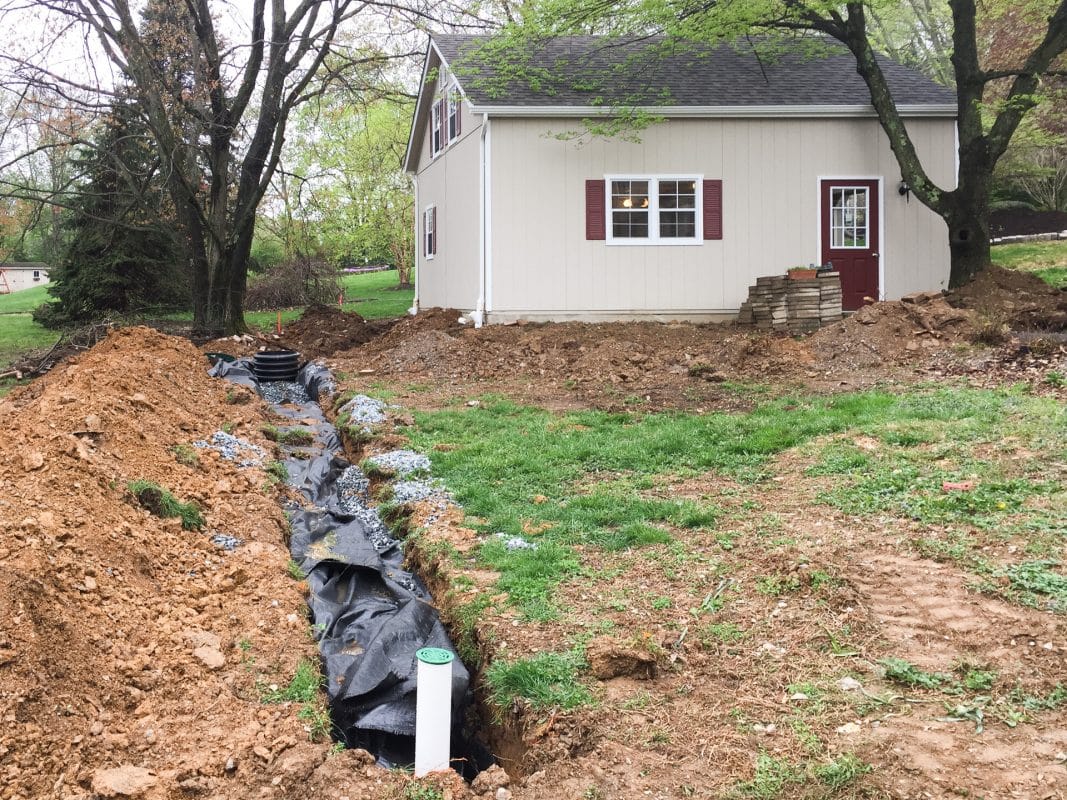
This is not the glamorous part. It may still be one of the smartest.
Poor drainage scares buyers fast. Standing water, soggy lawn zones, erosion, runoff near the foundation – these are red flags that can damage price, inspection confidence, and negotiations. So while drainage does not always produce a neat headline ROI, it protects value. And that matters just as much. In some site-heavy situations, homeowners comparing grading and utility work may also look at a septic tank installation company if the property needs broader ground preparation before resale.
Drainage work often includes:
- correcting slope away from the home
- adding catch basins or drains
- fixing low spots and pooling areas
- improving runoff around patios and walks
Typical investment and return: Yard leveling averages about $2,178, with many homeowners spending roughly $1,023 to $3,334; separate yard drainage work averages about $2,800, often landing in the $1,500 to $7,000 range depending on the system. This is best framed as price protection and inspection-risk reduction, not a fixed national ROI project.
What renovations do not add value?
Not all remodels are profitable. Some are just expensive detours.
Here are a few updates that often underperform:
- overly personalized design choices
- luxury remodels in mid-range neighborhoods
- converting bedrooms into closets or hobby rooms
- trendy features that age fast
- DIY work with visible flaws
- additions that cost more than the local market can support
That is the trap, really. People assume expensive equals valuable. It does not. The most profitable renovation is usually the one that fits the house, the area, and buyer expectations.
Things that often hurt return instead of helping:
- design choices that narrow buyer appeal
- construction work done without permits
- expensive remodels with weak resale logic
- updates that look trendy now but date fast
- projects that ignore the neighborhood price ceiling
So, can you increase home value by $50,000? Yes – absolutely, with the right list of updates. Can you add 60% to house value? Sometimes. But usually only through major remodeling, meaningful additions, or buying far below market and lifting the whole property standard through smart construction and estate positioning.
The strongest performers are usually kitchens, bathrooms, paint, flooring, curb appeal, energy-efficient updates, and outdoor living improvements. These are the home improvements that add value because buyers see them quickly and understand their benefit immediately.
Minor kitchen remodels, fresh paint, bathroom updates, entry improvements, and landscaping-related updates often rank among the highest roi home improvements. In many cases, the simplest updates have the best payback rate.
Yes, especially when they improve usability and appearance. Patios, drainage fixes, artificial turf, and clean front-entry updates are all home upgrades that add value because they improve first impressions and reduce future maintenance concerns.
It can be. In the right market, it is one of the more easy and practical ways to improve curb appeal, reduce upkeep, and make the home feel more polished. That can support both resale appeal and valuation.
Avoid highly personal remodels, overbuilt luxury updates, and cheap cosmetic shortcuts. Before listing, focus on improvements that increase value in a broad, buyer-friendly way instead of niche ideas that only appeal to a few people.