Synthetic Turf vs. Natural Grass

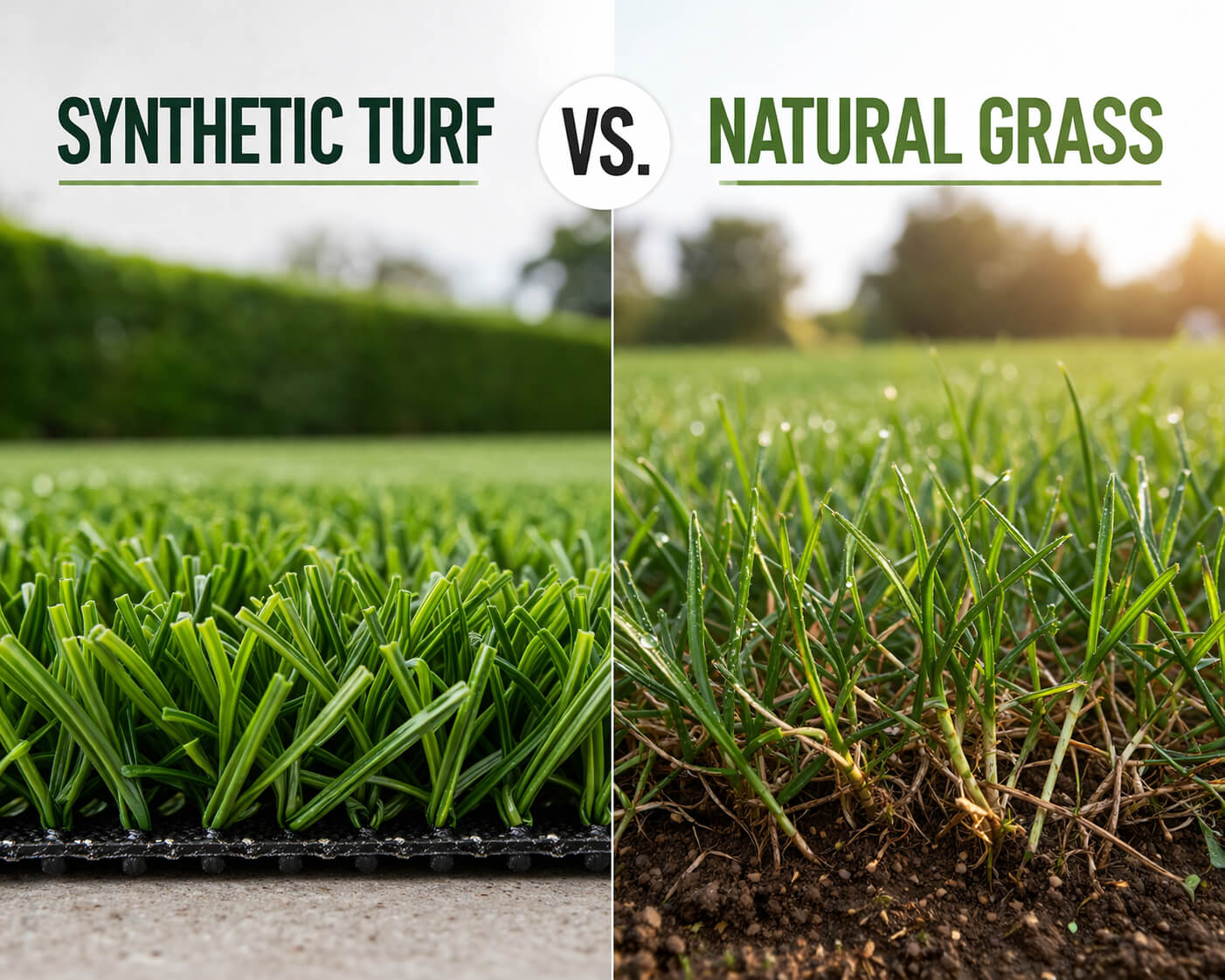
Real grass or synthetic turf? It’s one of those decisions that seems simple until you start pulling on the thread.
Synthetic turf costs more upfront but saves money over time – no mowing, no watering, no fertilizing, no weekend hours lost to lawn maintenance. It handles heavy traffic, pets, and bad weather without flinching. Natural grass costs less to install, feels better underfoot, stays cooler in summer, and does things for the environment that plastic simply can’t – carbon capture, biodiversity, soil health. But it demands consistent care, drinks a lot of water, and doesn’t hold up under serious use without showing it.
Neither option is universally better. At Site Prep, we’ve helped hundreds of homeowners work through exactly this decision – and the right choice always comes down to how you use your space, where you live, what your budget looks like, and how much time you’re willing to spend on upkeep.
Table of Contents
What is the Difference Between Synthetic Turf and Natural Grass?
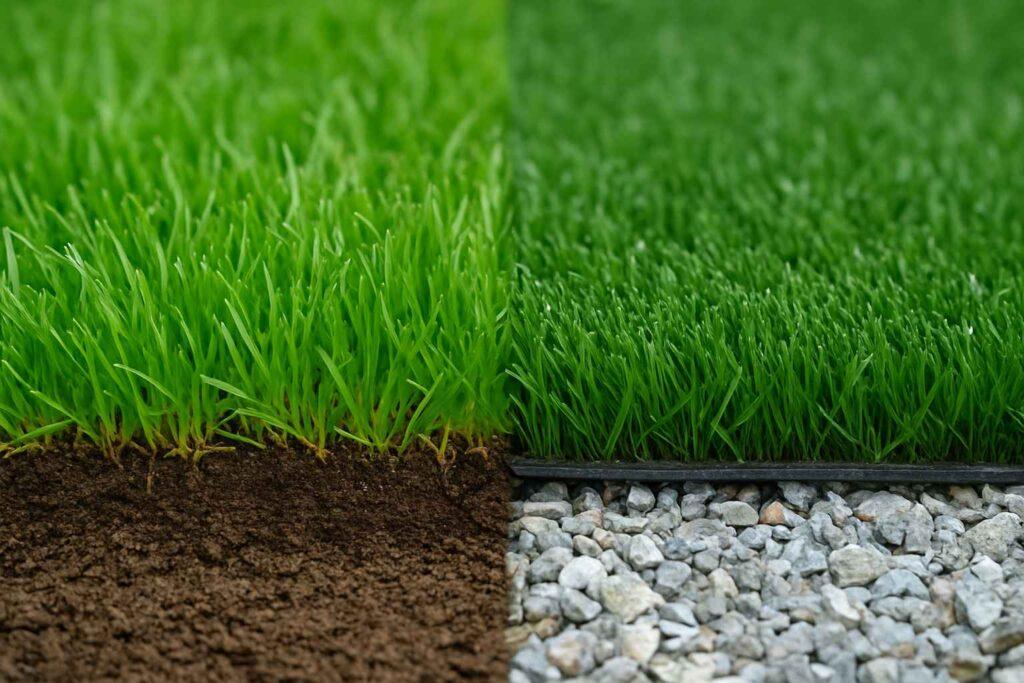
The most fundamental difference is that one is living, while the other is not – but there is much more that differentiates the two. The main difference between turf and grass comes down to one thing: one is a living organism and the other is an engineered surface. Pile height is another key distinction – natural grass grows continuously and needs cutting, while synthetic turf is manufactured at a fixed blade height and stays that way.
Natural grass is a living system – the roots, soil, microorganisms, and everything that composes the entire ecosystem. It grows, breathes, reacts to the elements. Synthetic turf is an artificial surface composed of plastic filaments such as polyethylene, polypropylene, or nylon, infill which can be either sand or rubber, and a drain system that allows rainwater to pass through.
Some key points that differentiate them at first sight:
- Materials: natural grass develops out of soil, artificial turf is composed of plastic filaments and infill
- Installation: grass will take weeks before becoming properly established; artificial turf becomes available instantly
- Maintenance: grass requires mowing, watering, fertilization, and aeration. Artificial turf only needs brushing and cleaning
- Appearance: grass depends on the season and changes accordingly; artificial turf remains constantly green throughout the year
- Texture: natural grass is cooler and softer than artificial turf that can become quite hot under the blazing sun
In summary, that’s what turf is and how it differs from actual grass. Now let’s discuss some important aspects.
Pros and Cons of Synthetic Turf
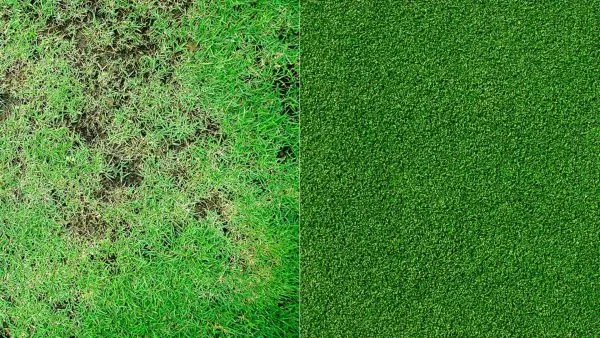
The artificial grass that we know today has evolved since the introduction of the tough, inflexible AstroTurf of the 1970s. Today’s artificial grass is softer and more life-like, designed specifically for particular uses – lawn, pet runs, playgrounds, sports fields. However, artificial grass is far from flawless, and the benefits cannot be considered without mentioning the drawbacks.
What are the advantages of synthetic turf?
This is where artificial turf vs. natural grass starts to tip clearly in one direction for a lot of homeowners.
- No need to cut, water, or fertilize the lawn. Seriously, none of it. After installation, the maintenance costs are greatly reduced when compared to a traditional grass lawn.
- It will always look good all year round. Never brown during hot summers, never messy during rainy winters. Always green and immaculate.
- Tough enough to endure high-traffic areas such as dog runs and children’s playgrounds. Wherever there is a lot of foot traffic, natural grass tends to wear thin quickly.
- Fast draining. Most good quality turf drains in excess of 30 inches per hour, ensuring that the surface can still be used immediately after rainfall.
- No need for herbicides or electricity to keep it at the right height or appearance. That saves money and reduces your environmental footprint over time.
To see how a professional setup can transform your property, explore our expert artificial turf installation services.
What are the disadvantages of synthetic grass?
And here’s where real grass vs. turf gets more complicated.
- Heat. This may be the largest issue. Under bright sun conditions, synthetic turf will get significantly hotter than natural grass – to the point where it could be considered too hot for children and pets to play on.
- More expensive to install. Installation will usually be pricier than planting sod. The cost savings are significant down the road, but it’s a deterrent for many due to upfront expenses.
- Wear and tear. Most synthetic turf solutions will not last longer than 10-15 years without their fibers flattening or infill compacting – necessitating replacement.
- Environmentally unsustainable. The artificial grass solution is produced using plastic, which is non-biodegradable. It won’t help with anything natural grass provides.
- Unpleasant odors. Without regular washing, urine odor might begin to form under the surface layer of artificial grass, particularly around pet zones.
Pros and Cons of Natural Grass
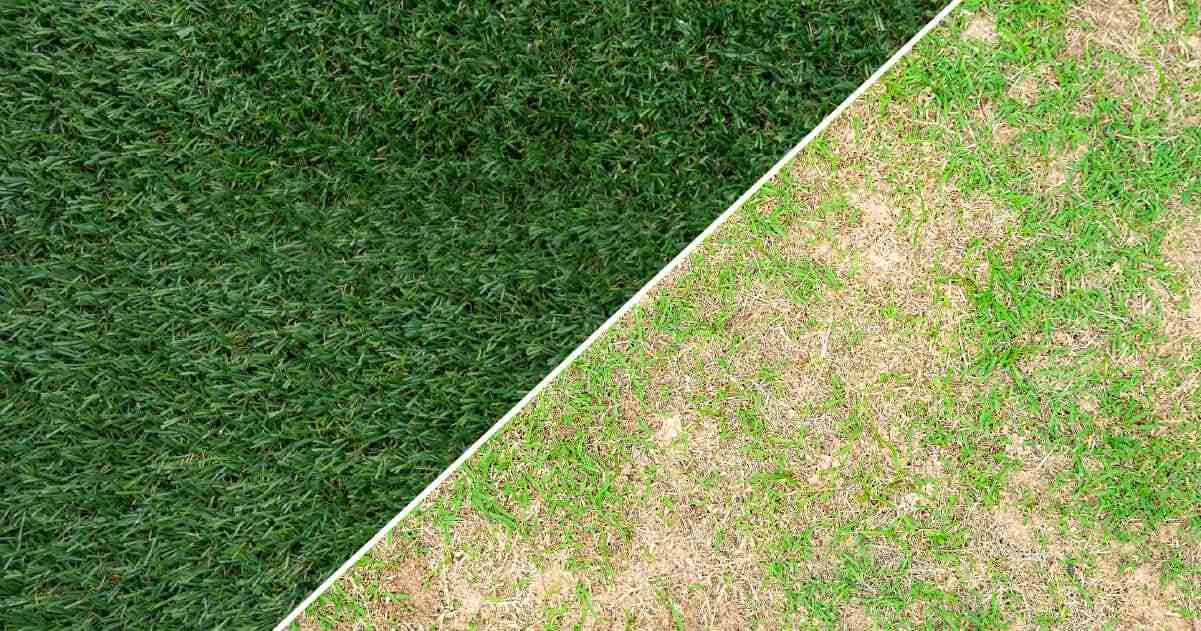
The only factor in favor of natural grass that artificial turf can never compete with is that grass is alive. It is a very important quality which many people often overlook. A natural lawn helps cool the surrounding area, aids in the survival of insects and organisms in the soil, and acts in reaction to the surroundings as well. However, maintaining a natural lawn requires time, money, and water.
What are the advantages of natural grass?
What natural grass can do, artificial turf cannot achieve.
- Cooling effect. Grass remains notably cooler than artificial turf thanks to a natural cooling process called evapotranspiration, which refers to the process of transpiring moisture from plants into the atmosphere.
- Biodiversity contribution. Natural grass offers habitats for pollinating insects and other beneficial species while filtering runoffs and sequestering carbon dioxide, unlike artificial grass which cannot.
- Lower installation cost. The cost of seeding or sodding is usually lower than that of installing artificial turf, particularly on large surfaces.
- Feels like grass. This is because grass is actually grass. The comfortable, cool texture, and the earthy aroma of freshly cut grass remain qualities that artificial turf has not been able to emulate.
- Easy to repair. When comparing artificial grass vs turf made from natural grass, one advantage that always comes up is repairability – damaged patches can be reseeded or resodded without replacing the whole surface.
What are the disadvantages of natural grass?
Negative features associated with a natural lawn include issues related to time consumption, water usage, and lack of consistency.
- Maintenance work. Mowing, watering, fertilization, aerating, weed and pest treatments. The list may seem endless.
- Large water consumption. Depending on climate conditions, keeping your lawn healthy in arid areas or during summer months means lots of irrigation which is reflected in water bills.
- Vulnerability to weather conditions. Drought periods, frost, excessive foot traffic, and diseases may leave their marks on the natural lawn and require repairing efforts.
- Lack of consistency in looks. As compared to artificial lawns, natural grass is more likely to change its color and condition throughout the year.
Cost Comparison: Synthetic Turf vs. Natural Grass
Costs tend to be the first thing that pops into one’s mind when talking about comparisons. The most misunderstood aspect of the turf vs. grass debate is also their cost. People will just talk about how much money it will take to install them and stop there. But what really needs to be compared includes water costs, mowing, fertilizing, pest control, maintenance, and even the cost of personal time invested over 10-15 years. When you run those numbers, the picture looks pretty different from the upfront sticker price.
Numbers matter. Here’s how they stack up:
| Cost factor | Natural grass | Synthetic turf |
|---|---|---|
| Installation | Lower | Higher |
| Annual watering | $300-600+ | Near zero |
| Annual mowing | $150-400+ | Zero |
| Fertilizing / treatments | $100-300+ | Zero |
| Repairs | Variable | Minimal |
| Lifespan | Indefinite (with care) | 10-15 years |
| Replacement cost | Low (reseed / resod) | High (full replacement) |
Which is Cheaper – Synthetic Turf or Natural Grass?
Natural grass comes cheaper initially. Artificial grass eventually becomes cheaper – almost always.
The payback period varies with the price of your water bills, size of your yard, and time invested in upkeep. For areas with frequent drought periods, artificial grass can pay for itself in 5 to 7 years. If there’s ample rainfall in your area and your water bills are low, it’s not as straightforward.
If you want an exact estimate of the costs involved, check our how much is turf per square foot page.
Is Synthetic Turf or Natural Grass Better for Pets?
That’s when turf versus grass becomes very personal – because you have to take into account what your dog thinks too.
Yes, dogs definitely do wee and poo on fake grass. Feces lie on top and are easy to clean up. The urine will soak through the perforated backing – but will create odor issues if not properly cleaned out often enough. This is why synthetic grasses designed for pets employ antimicrobial infill and non-latex backing that drains well.
Real grass deals with animal waste naturally… until you overload it. Then comes the discoloration and bare spots.
Synthetic turf for pets:
- Prevents digging and paw damage
- Does not bring mud inside
- Easily washable; antimicrobial varieties exist
- Tends to heat up – monitor paw temperature on sunny days
- Needs regular rinsing to control odor
Natural grass for pets:
- Cooler and more comfortable underfoot
- Naturally instinctive for most dogs
- Wear areas and yellow stains will form from urine
- Fleas, ticks, and other parasites can thrive in natural grass
For most dog owners with highly active pets, artificial grass is the better option. Discover the benefits of our pet turf installation and find the perfect specifications for your home.
Is Synthetic Turf or Natural Grass Better for Kids and Play Areas?
For playground surfaces, the factors we have to consider are safety, hygiene, and ease of maintenance.
A synthetic surface with a shock-absorbing pad below gives reliable cushioning, is non-toxic, easily maintained, and always dry. However, synthetic materials tend to heat up easily, thus posing a danger to children during the summer months.
On the other hand, natural surfaces are cooler, gentler, and softer than synthetic materials. They become muddy quickly, may harbor insects, and do not last under frequent use.
For playgrounds, parents would rather go for synthetic surfaces despite the heat concerns – because of their convenience and ease of maintenance. Just make sure there’s adequate shade during peak summer hours.
Is Synthetic Turf or Natural Grass Better for Sports Fields?
For high-use athletic fields, artificial turf vs. natural grass is essentially a question of budget and climate.
Synthetic turf fields are available for play in almost any weather, drain fast after rain, and don’t develop the bare or muddy spots that sideline natural grass fields after heavy use. Field lines are permanent – no repainting required. The tradeoff is higher surface temperature and a firmer playing surface that some athletes find harder on their joints over time.
Natural turf fields are cooler, feel better underfoot, and support better traction in dry conditions. But they require intensive maintenance programs and can be taken out of rotation for weeks after heavy use or bad weather.
High-traffic programs with limited downtime typically go synthetic. Lower-use fields in mild climates often stick with natural grass for the performance and cost benefits.
How Do You Choose Between Synthetic Turf and Natural Grass for Your Space?
Run through these questions before deciding:
- How much traffic will the area get? Heavy use – kids, dogs, sports – points toward synthetic turf. Light decorative use – natural grass is fine.
- What’s your climate? Drought-prone, high-sun regions favor synthetic turf for water savings. Mild, rainy climates make natural grass easier to maintain.
- Do you have pets? Dogs that use the lawn heavily – go with synthetic turf with antimicrobial infill. Check our guide on the cost to install pet turf to budget accurately.
- What’s your maintenance tolerance? Low patience for upkeep – synthetic turf. Enjoy weekend lawn work – natural grass.
- What’s your budget timeline? Lower upfront cost – natural grass. Lower 10-year total cost – synthetic turf in most cases.
Not sure how the installation process works? Our how to install artificial grass guide walks through it step by step. And if a backyard transformation is what you’re after, see what’s possible in our artificial grass backyard section.
FAQ
Yes, this is true. The temperature of synthetic turf tends to be significantly higher when exposed to sunlight, considering that the material cannot cool down due to its inability to evaporate water. This is the main practical disadvantage of artificial turf in warm climates.
This question cannot be answered with certainty since both materials have their pros and cons. The choice between artificial turf and natural grass should depend on the intended use of the surface, your climate, budget, and maintenance tolerance.
On average, artificial turf can be used for up to 10-15 years before replacement is required. If natural grass is regularly maintained, it can be used for as long as needed.
Contemporary artificial grass, especially those made of polyethylene monofilament fiber with multi-color blades and thatch, is almost indistinguishable from natural grass at first glance. At close inspection or when stepped upon, however, their distinction is clear. When viewed from afar or as far as aesthetics are concerned, top-grade artificial grass performs impressively.
Yes, it can, and it is done so commonly. Artificial grass sports fields provide year-round playability, consistent surface conditions, and reduced maintenance costs. Numerous professional leagues and universities have switched to artificial grass surfaces. Surface temperature and feel underfoot remain the key concerns.
There is no one-size-fits-all answer because it depends on the market and buyer preferences. If there are water shortages or drought conditions in an area, synthetic grass may increase the attractiveness of the home. Otherwise, it may have no effect or even a slight negative impact. Overall, if properly installed and well-maintained, synthetic grass is usually looked upon favorably by buyers focused on low-maintenance living.