
How to Sell Your House for More Money | Site Prep

You net more at closing two ways: add what buyers want, and remove what their inspector can negotiate against. A separate guide covers the upgrades that add value. This one covers the other half, the site and structural defects that turn into price cuts, repair credits, or a dead deal, and whether to fix or disclose before you list.
Table of Contents
How one inspection turns into a lower price
Once a buyer’s inspector files a report, every flagged defect becomes a bargaining chip. Buyers ask for a repair credit, a price cut, or they walk. An appraiser who sees the same issues can cap the loan below your asking price. Fixing these before you list costs less than the concession a buyer demands once a problem is in writing.
The defects that cost sellers the most sit in the structure and the ground:
- foundation movement: cracks, sticking doors, uneven floors
- water intrusion: a wet basement, poor grading, standing water
- a failed septic system or an old, damaged sewer line
- major driveway or walkway cracks and trip hazards
Foundation red flags that shrink the offer
Cracks wider than a pencil, doors that stick, or a floor that slopes tell a buyer one thing: big bill ahead. That reads straight into the offer. You have two clean moves. Repair before listing and hand buyers the receipts, or disclose and price the home as-is. A repair keeps the appraisal and the buyer’s financing intact; as-is pulls lower, cash-heavy offers. Book a concrete foundation repair before photos, not after an offer.
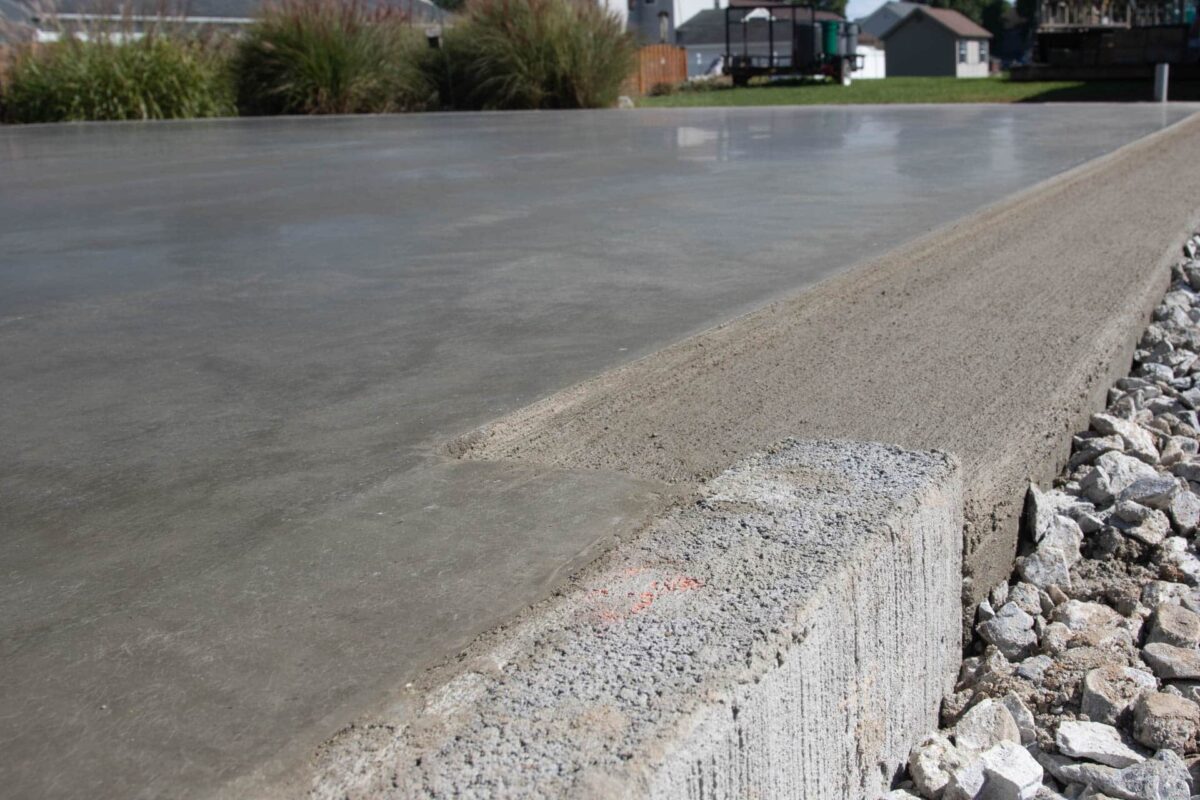
Typical cost (2026): Most foundation repairs run about $2,200 to $8,400, averaging near $5,000; minor crack injections cost $250 to $800, while major underpinning can top $10,000.
A failing septic or sewer line can end the sale
This one hides underground until it kills a deal. A failed septic inspection or a root-choked sewer lateral scares both the buyer and their lender, and many closings stall until it gets fixed. If the property runs on septic or has an older sewer line, have it inspected before you list, not after you accept an offer.
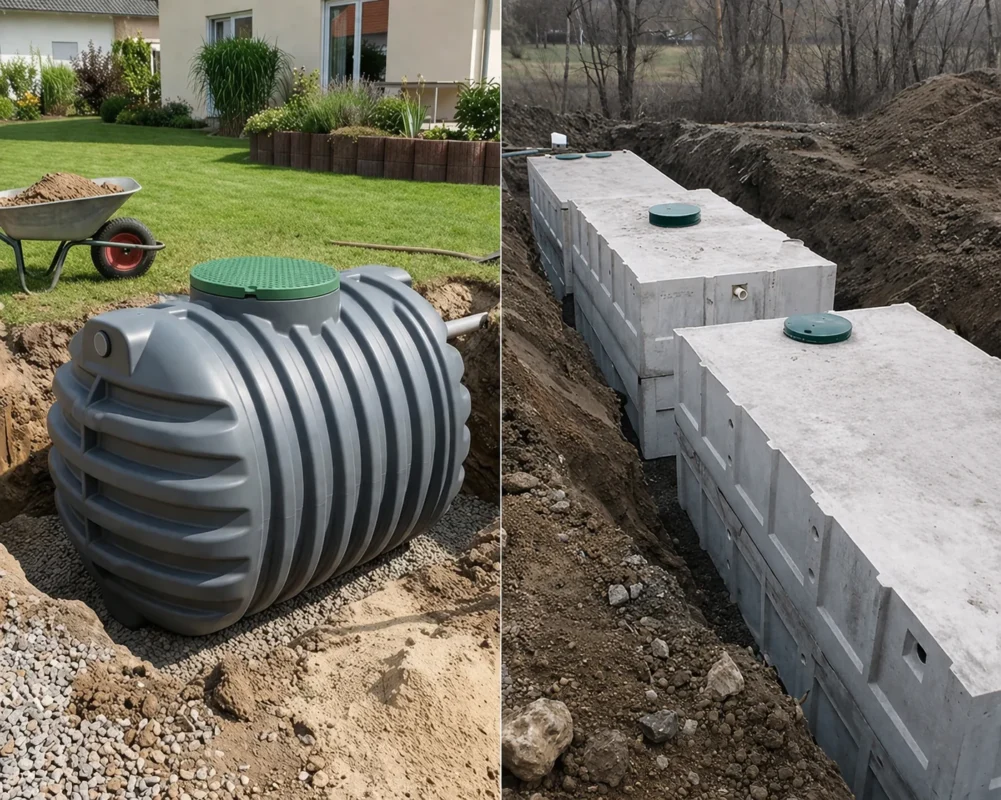
Typical cost (2026): A full septic replacement commonly runs $5,000 to $12,000; a sewer line replacement averages about $3,300 and swings by length and depth. Finding it early lets you fix or price it on your terms.
Water against the house — what inspectors write up
Standing water, ground that slopes toward the foundation, or a damp basement smell all land in the report as moisture risk, and buyers read moisture as a future repair. Correcting the grade and adding drainage clears the flag. For the resale-value side of drainage and landscaping, see the home value guide.
Typical cost (2026): Regrading and yard drainage commonly run $1,500 to $7,000 by system, far less than the price cut a wet basement invites.
The driveway and hardscape an inspector notes
A heaving, cracked, or trip-hazard driveway and walkway show up under “exterior” and chip at buyer confidence before anyone reaches the door. A sound gravel or concrete surface removes an easy complaint. Ask a gravel driveway contractor about resurfacing the worst sections before you list.
Typical cost (2026): In PA, a new concrete driveway runs about $8 to $15 per square foot; resurfacing and gravel cost less.
Fix first, or disclose and price?
Not every defect is worth repairing before you list. Use one test: will the fix cost less than the concession a buyer demands once it sits in the inspection report? Structural, water, and septic issues almost always fail that test in your favor, so fix them. Small cosmetic wear you can disclose and price. When you are unsure, a pre-listing inspection shows you what a buyer will find before they do.
Pre-listing site checklist
| Site issue | What a buyer does with it | Fix before listing? |
|---|---|---|
| Foundation cracks / sloping floor | Repair credit, low appraisal, or walks | Yes |
| Failed septic / old sewer line | Deal stalls, lender balks | Yes |
| Standing water / bad grading | Moisture concern, price cut | Yes |
| Heaving or cracked driveway | Minor price chip | If severe |
| Cosmetic wear, small cracks | Small ask | Disclose and price |
Where not to overspend
Skip repairs that outrun the payback:
- gold-plating a fix a buyer would accept as-is
- premium finishes on a structural repair no one sees
- work priced above what the block supports
Frequently Asked Questions (FAQ)
It costs a few hundred dollars and shows you what a buyer’s inspector will find, so you can fix or price the issues before they turn into leverage.
Repairing before you list recovers more and protects the buyer’s financing. Selling as-is closes faster but pulls lower, cash-heavy offers and carries disclosure risk.
Yes. A failed septic inspection stalls most closings and can scare off the lender. Inspect and address it before you list, not after an offer.
Often. Any flagged defect becomes a request for a credit, a price cut, or a reason to walk away.
Foundation movement, active water intrusion, and a failed septic or sewer line carry the most weight against both price and financing.