Artificial Turf Maintenance: The Complete Guide

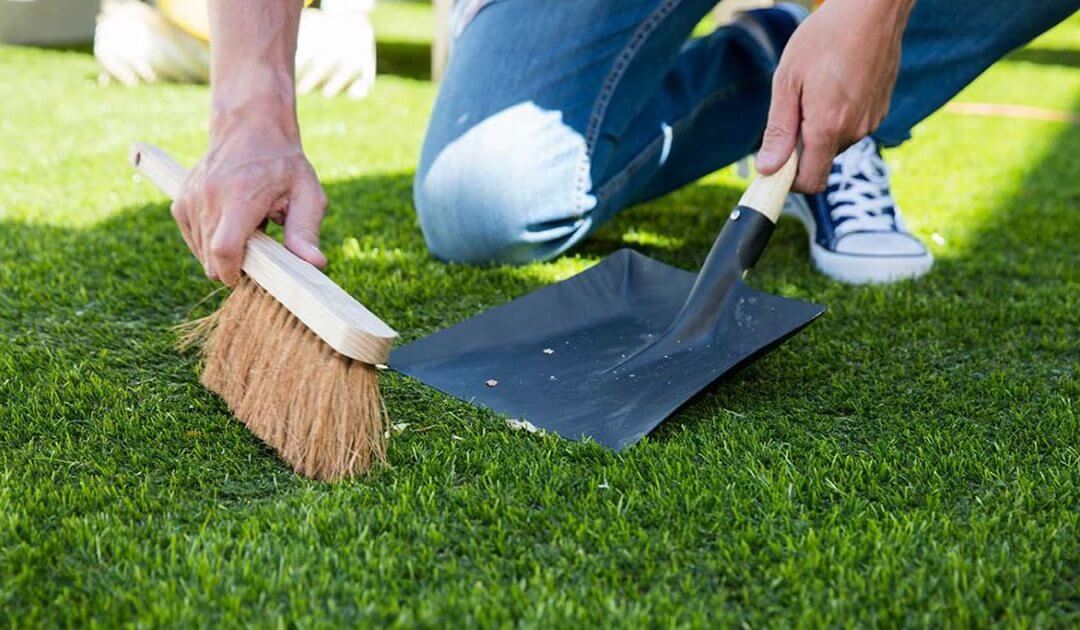
Here’s a simple truth. The maintenance of fake grass is easy – and thank goodness! All you do is rinse it. Sweep it. Ensure the dirt travels along with it. That’s all it takes to keep it looking good for ten years or more. No mowing. No sprinklers set for any certain time of day. No feeling of guilt carrying around a big bag of fertilizer.
With many years under our belts maintaining many lawns in PA, DE, MD and NJ, we at Site Prep know from experience that artificial grass requires some care – not much. Not much at all. In fact, newly installed synthetic grass can typically be walked on two hours later, although we would recommend waiting 24 hours for the filling to settle. Want to know what to expect initially? Read our costs of artificial grass installation page.
Table of Contents
Why artificial turf maintenance still matters
Does synthetic grass need any maintenance? Yes, but not the kind that involves weekly lawn care efforts. When it comes to the maintenance of artificial grass, the purpose is not in keeping the grass alive because it doesn’t need to since it’s made out of plastic anyway. It all depends on its longevity and appearance.
Stay on top of it, though, and here’s what regular caring for artificial grass actually buys you:
- Upright, springy blades instead of a flat, lifeless look
- Proper drainage so water does not collect after it rains
- Less chance of odor or bacterial growth, especially with pets
- The validity of any warranty (it can be easily voided by neglect)
Want the full lifespan picture? See how long artificial grass lasts. And if you’re still on the fence, our synthetic turf vs natural grass comparison is worth a few minutes.
Essential artificial turf maintenance equipment
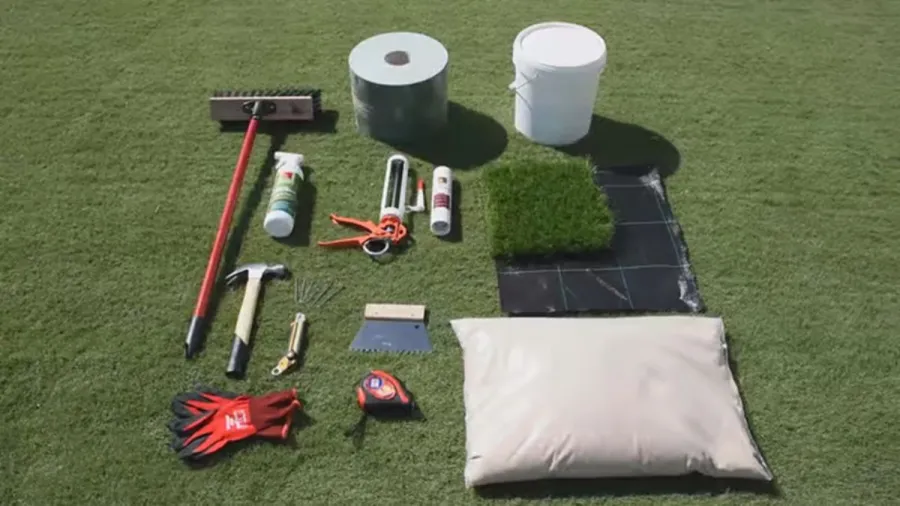
What exactly does one need for maintaining an artificial turf? Not as many items as one would imagine. One doesn’t have to stockpile tools in a warehouse but only a few that are genuine.
The basic artificial turf grooming equipment includes:
- Stiff bristled broom or leaf rake (plastic only, not metal)
- Garden hose with spray nozzle to rinse
- Leaf blower for blowing off dry debris
- Bucket, dish soap and brush for spot cleaning
- Power brush or lawn groomer if you have a large lawn
But that’s really all there is to it. The synthetic turf cleaning equipment you’d reach for is already in the garage. The power groomer may be necessary for large-scale operations or areas where pets play; however, a simple broom and hose will do for an ordinary backyard.
How often should homeowners maintain artificial turf?
There’s no rigid calendar here. The maintenance of artificial turf scales with your life – pets, kids, tree cover, foot traffic. Still, a loose rhythm keeps it painless.
Weekly artificial turf care checklist
- Pick up leaves, twigs, and stray litter
- Quick rinse in high-traffic or pet spots
- Scan for spills or pet messes
Light, fast artificial turf care. Five minutes, tops.
Monthly artificial grass upkeep tasks
- Cross-brush the whole lawn against the grain to lift the blades
- Rinse the full surface, not just the busy patches
- Check seams and edges for any lifting
This monthly upkeep of artificial grass is where the “still looks new” magic actually lives.
Seasonal synthetic turf maintenance
Four times a year, go deeper: top up infill if it’s thin, deep-rinse, and tackle whatever the weather threw at you. We’ll break the maintenance of synthetic turf down season by season below.
When to schedule professional turf maintenance
Do it yourself gets everything done. However, when brushes cannot un-matt the blades, or water is clogged and stink is persistent, then a professional will be needed. A good deep cleaning session – and here is how to clean your turf – will fix everything.
Seasonal artificial grass upkeep
Spring maintenance after winter debris
Resetting Spring is all about springing into action. Remove those matted leaves and all the other debris that winter has left behind, give everything a deep cleaning, brush from both directions, and get those blades firing again.
Summer care for dust, heat, pets, and odors
Dust and pet smells adhere to heat easily. Therefore, wash regularly. Vinegar diluted in water removes any smell without having to use chemicals. On hot afternoons, however, a simple spray will reduce the temperature.
Fall maintenance for leaves and organic buildup
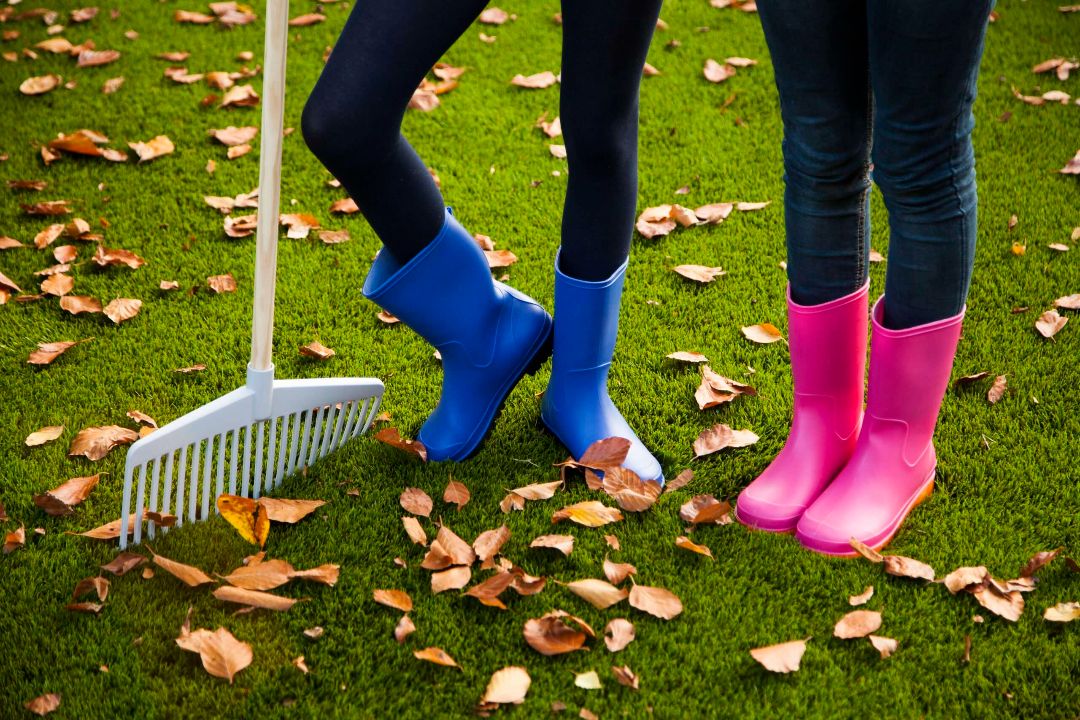
Leaves are the real enemy here. Left to rot, they feed moss and clog drainage. Blow or rake them off weekly – stay on top of it and fall is basically a non-event.
Winter care: snow, ice, and safe removal methods
Light snow? No problem – it’ll melt on its own. For heavier amounts, try using a plastic shovel or broom. Don’t use metal, and don’t even think about rock salt; it’ll clog drainage systems. But if you install grass on an underlying concrete surface, take a look at our tips on installing on concrete for more insight.
How do you maintain artificial grass
Here’s the honest, no-fluff routine – the care of artificial grass that keeps it looking installed-yesterday:
- Clear debris with a blower or plastic rake
- Rinse the surface with a hose to flush dust and dander
- Cross-brush against the grain to stand the blades up
- Spot-clean spills with mild soapy water
- Deal with pet waste promptly, then rinse the spot
Do the quick stuff weekly, the brushing monthly, and you’re set. Brand new to all this? Our step-by-step installation guide shows how the base and infill go down – and a well-built base makes every bit of maintenance easier later on.
Artificial turf grooming: how to keep grass blades upright
People walking on it cause grass to wear down. There’s nothing wrong with it; it’s just physics. What needs to be done is that synthetic turf needs to be groomed. This involves brushing the fibers up again.
Do it in different directions using a broom with synthetic bristles. If the area is a high-traffic area like from the gate to the patio, groom the area more frequently. Blades will automatically bounce back into place.
Pet-friendly artificial turf maintenance
Dogs love turf. Turf, for the most part, loves them too – provided you do your bit. Solid waste washes away effortlessly once it dries. It’s urine that’s tricky; it won’t leave a mark, but it’ll stick around if left alone.
- Regularly rinse dog areas – daily during the summer season
- Use enzyme-based cleaner or diluted vinegar to eliminate smells
- Clean up solid waste immediately, then hose down the area
We field this question on nearly every artificial turf backyard we install. For the full pet playbook, here’s how to clean fake grass from dogs.
How to remove stains from artificial grass
Stains do not always have to be dramatic. By acting quickly, most stains can be removed using warm water and a gentle brush, with around a 90% success rate.
Is it okay to clean synthetic grass with Dawn dishwashing liquid? Yes, indeed. Some Dawn (along with other mild, dye-free dishwashing liquids) in warm water works wonders in this case. Just dab, rather than scrubbing. For stubborn grease spots, a bit more Dawn would work fine, as long as some time is taken for the cleaning process. But avoid any bleach, acetone, and other harmful chemicals at all costs.
Weed, moss, and algae control on synthetic turf
Good synthetic grass care also takes on the unwanted green. Weeds tend not to germinate in the proper turf because of the weed barrier below, but you will encounter them on the fringes and along the seams because of their seeds carried by the wind. Remove them manually or use turf-friendly weed killers. Mold and algae grow best in moist shaded areas and can be removed with a vinegar-water mixture.
Artificial turf maintenance mistakes to avoid
Good artificial surface maintenance is as much about what you don’t do. The big offenders:
- Either metal rakes or wire brushes – they tear the fibers apart
- A pressure washer adjusted to be too powerful or applied too close
- The use of strong solvents, bleaches, or oil-based cleaning agents
- Allowing leaves and animal excrement to rot in one place
- Neglecting drainage until it creates a pond
Dodge those and the maintenance artificial grass actually needs stays simple. (Yep – that’s the whole secret.)
Frequently Asked Questions (FAQ)
It might do some damage if used incorrectly. The pressure washer should be kept to its lowest level or fan mode, and the wand kept several feet away from the surface.
Yes, but not too much. The maintenance of artificial turf involves only periodic rinsing, brushing, and removal of debris – way less than what a natural lawn would require.
Frequent rinsing, immediate disposal of any solid waste, and elimination of bad odor using enzyme cleaners or vinegar will help keep your pet zones clean.
Not really, assuming that a weed barrier has been used during installation of artificial grass. However, the edges of the area can become infested due to seed scattering.
Most homeowners need to perform only a deep cleaning once a year or every six months – the rest will be taken care of by you. It should be mentioned that a well-maintained lawn helps maintain the value of the property. You may find out about whether artificial turf adds value to homes. And if you’re weighing a fresh install or replacing tired turf, our synthetic grass installation team can help.