Side Yard Dog Run Ideas On Side of House

This thin strip of ground lying adjacent to your house, you’re aware of it, right? It catches all sorts of fallen leaves, possibly a garden hose left there by accident, and not a thing more. However, if you own a dog, then that forgotten space will become the most valuable portion of your property.
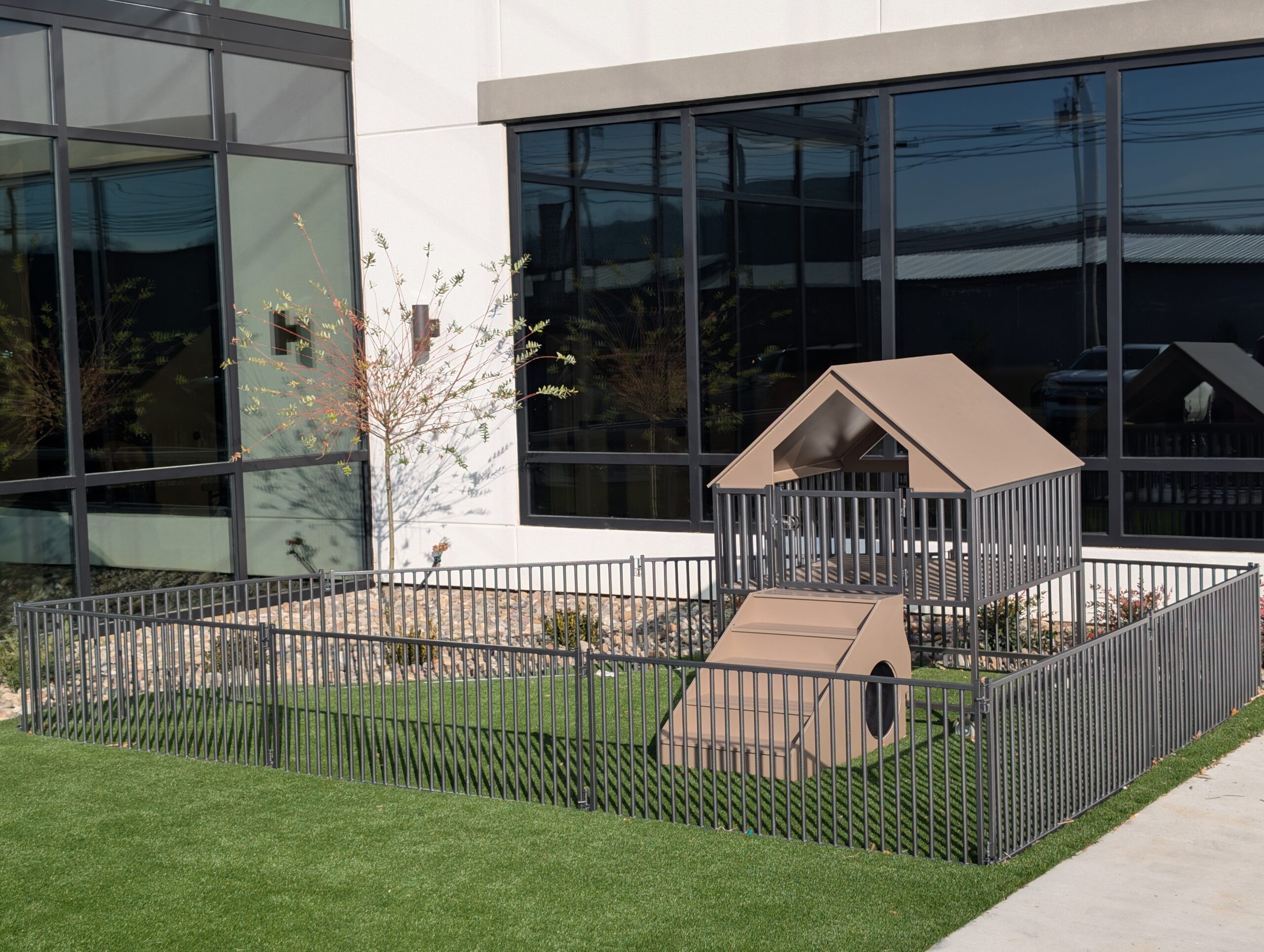
A side yard dog run turns wasted space into a safe, enclosed area for your dog to exercise and potty without destroying your main lawn. Synthetic turf is the top ground cover choice for easy maintenance and odor control. With the right fencing, shade, and a few smart add-ons, you can build a functional dog run on the side of the house for almost any budget.
Table of Contents
Why a Side Yard Is the Perfect Spot for a Dog Run
Hidden Benefits of That Narrow Strip of Land
Homeowners tend to ignore their side yards altogether. Truth be told, it is quite an odd spot. Too small for a patio, too dark for planting vegetables, and too close to the fence for any complex landscaping. But for a dog run? It’s basically ideal.
Here’s why it works so well:
- Natural containment on two sides – your house wall and the boundary fence do half the fencing work for you
- House shade – according to your orientation, the sun from late afternoon is blocked by your wall; that is extremely important when you have large dogs
- Secluded from the rest of the house – parties, children, and BBQing happens out in the yard while your dog has his own place
- Out of sight, tidy – a well-designed side yard dog run doesn’t dominate your landscaping or curb appeal
- Easy access from inside – a side door or gate from the kitchen means quick potty trips without walking through the whole yard
The long, linear shape of a typical side yard also suits dogs better than a small square pen. Dogs naturally like to run in a straight line – back and forth, back and forth. A 5 x 20 foot run gives a dog far more actual exercise than a 10 x 10 square. That’s just how they move.
How a Side Yard Dog Run Protects Your Main Lawn
Let’s face it: dogs can really damage a lawn. Patches of grass will burn and die off from dog urine, not to mention the paths of churned up soil left behind by their endless racing back and forth. Digging, scratching, chewing fence posts – the list goes on.
Having a designated dog run on the side of the house changes all of that. Instead of your main lawn taking the daily abuse, the run does. Your backyard stays clean for entertaining. Your landscaping survives. And your dog still gets the outdoor time and movement he needs – everyone wins.
If you’re planning a full yard makeover anyway, check out these backyard artificial turf ideas that pair beautifully with a side yard dog run setup.
Planning Your Side Yard Dog Run: Before You Start
Minimum Size by Dog Breed
Here, size does matter – the size of the area you need as well as the size of your dog. Your dog’s breed, energy level, and age all factor into how much space is actually useful.
| Dog Size | Examples | Minimum Run Size | Comfortable Run Size |
|---|---|---|---|
| Small (under 25 lbs) | Chihuahua, Shih Tzu, Pug | 3 ft x 10 ft | 4 ft x 15 ft |
| Medium (25-60 lbs) | Beagle, Cocker Spaniel, Border Collie | 4 ft x 15 ft | 5 ft x 20 ft |
| Large (60-90 lbs) | Labrador, German Shepherd, Husky | 5 ft x 20 ft | 6 ft x 30 ft |
| Extra Large (90+ lbs) | Great Dane, Mastiff, Saint Bernard | 6 ft x 25 ft | 8 ft x 40 ft |
The longer your run for large dogs, the better. Length will allow them to run rather than pace back and forth.
Sun, Shade, and Drainage Basics
Before choosing materials and fencing, take an entire day and watch how the sun hits your side yard. Which way does it face? Is it full sun by noon or is it partially shadowed by the home?
- Shade coverage – if less than 50% is naturally shaded, plan to add a shade structure or roof panel
- Drainage direction – water should flow away from the house foundation; slight grading (1-2% slope) is ideal
- Existing drainage issues – if that side yard already floods or stays muddy after rain, fix it before you build
- Water access – is there a hose bib nearby? You’ll need water for cleanup, regardless of which ground cover you choose
Good drainage isn’t just about comfort – it’s the difference between a dog run that smells fine and one that becomes a biohazard after a week.
Permits and HOA Rules to Check First
Nobody wants to build something and then tear it down. Check these before you spend a dollar on materials:
- Does your municipality require a permit for fencing above a certain height?
- Does your HOA restrict fence materials, colors, or visibility from the street?
- Are there setback requirements from the property line?
- Any underground utilities in that corridor? (Call 811 before you dig – always.)
Most basic dog runs don’t trigger permit requirements, but if you’re adding a covered structure or anything over 6 feet in height, it’s worth a quick call to your local building department.
Best Ground Cover Options
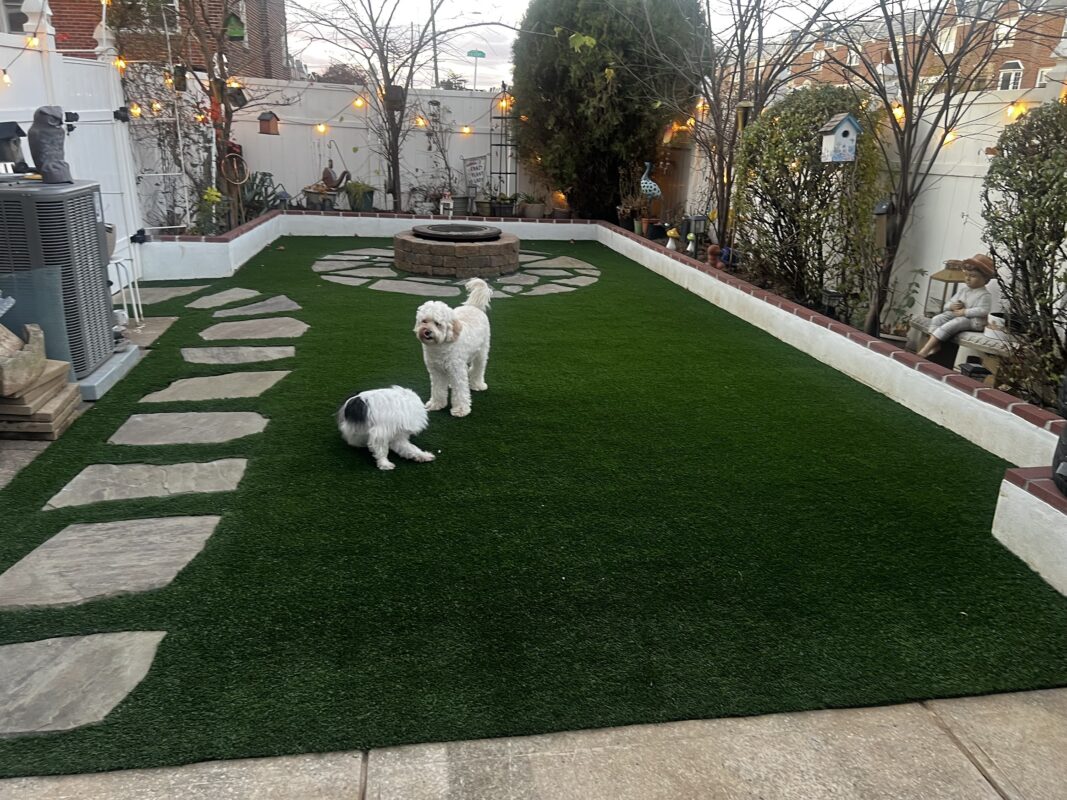
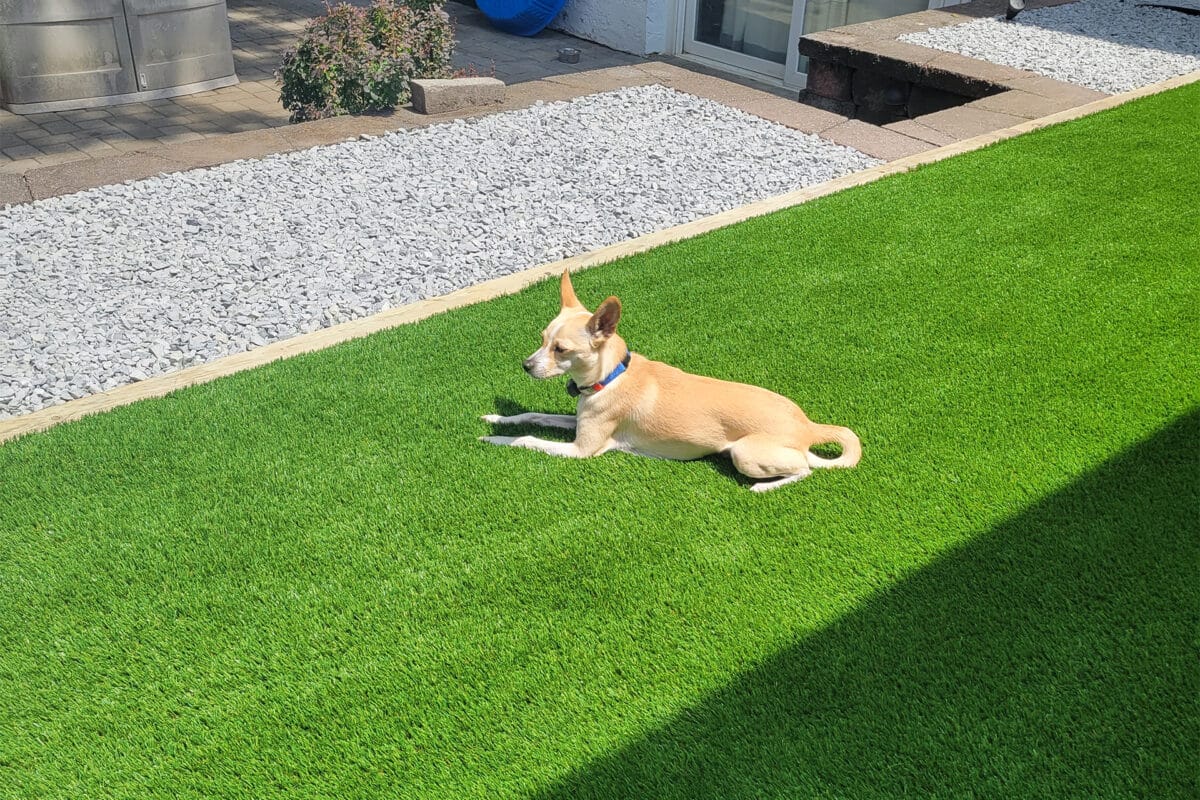
Artificial Turf – Why Most Dog Owners Eventually Switch
Here’s a story you’ll hear over and over from dog owners: they start with real grass, watch it die in two months, try gravel, find it too harsh on paws, experiment with mulch, hate the smell – and finally install synthetic turf. Then wonder why they didn’t just do it first.
Synthetic turf is the most popular ground cover for dog run ideas, and the reasons are pretty straightforward:
- No mud, no bare patches, no urine-burned spots
- Drains rapidly – quality pet turf handles thousands of inches per hour
- Antimicrobial backing reduces odor-causing bacteria
- Easy to clean – hose it down, done
- Soft on paws, even for large dogs running all day
- Looks great year-round, no mowing, no watering, no reseeding
The trick lies in selecting the right material. Pet-specific turf has a shorter pile height (easier to clean solid waste off the top), perforated or hole-punched backing, and infill material that resists bacteria. Never select any product simply based on its cost – the backing and drainage system matter enormously for a potty area.
Want to know how to put it in properly? Here’s a full guide on how to install artificial grass step by step.
Pea Gravel: Pros and Cons
Gravel is inexpensive, drains easily, and many dogs don’t dislike it at all. It’s a legitimate budget option – but it comes with real downsides you should know about.
Pros:
- Inexpensive and widely available
- Excellent natural drainage
- Easy to rake and refresh
- Doesn’t retain heat as badly as concrete (though it still gets warm)
Cons:
- Small pebbles get stuck between paw pads – painful for dogs
- Tends to scatter into the rest of the yard
- Urine smell builds up in gravel over time and is hard to fully rinse out
- Not great for dogs with sensitive paws or older dogs with joint issues
If you go with gravel, use pea gravel (smooth, rounded edges) rather than crushed gravel (sharp), and contain it with solid edging along the perimeter.
Concrete and Pavers
Concrete is easy to pressure wash, extremely durable, and can accommodate heavy foot traffic with ease. However, it is very unforgiving on joints, can get very hot in the summer, and has no cushioning effect whatsoever. This may not be the most comfortable material for a dog run where your pet spends hours a day.
Pavers are a good alternative – they offer a more attractive appearance, can include landscaping elements such as grass or gravel between the stones, and provide some flexibility. Still, heat retention is a real concern in warm climates. If you go this route, make sure the potty area has proper drainage channels built in.
If concrete is already in your side yard, here’s how to work with it – how to install artificial grass on concrete.
Mixing Two Surfaces for Better Results
Honestly, the most practical dog run ideas use more than one material. If you’re exploring side yard dog run ideas on side of house, a few material combinations work really well:
- Synthetic turf + pea gravel potty corner – turf for running and lounging, gravel for the dedicated potty spot (easier to identify, replace, or refresh)
- Concrete path + turf panels – concrete along the center for easy cleaning access, turf on the sides for paw comfort
- Pavers at the gate + turf throughout – prevents mud tracking when entering and exiting
Mixing materials also adds visual interest to your landscaping. A dog run doesn’t have to look like a cage – it can actually look intentional and designed.
Fencing Ideas for a Side Yard Dog Run

Chain Link vs. Vinyl vs. Wood
Your fencing choice affects looks, cost, durability, and how well it actually contains your dog. Here’s an honest comparison:
| Material | Cost | Durability | Appearance | Best For |
|---|---|---|---|---|
| Chain Link | Low | Very High | Functional | Budget builds, large dogs |
| Vinyl | Medium | High | Clean, modern | Low maintenance priority |
| Wood | Medium | Medium | Warm, natural | Aesthetic focus, smaller dogs |
| Wrought Iron / Metal | High | Very High | Premium, elegant | High-end builds |
Chain link is often disregarded because of its aesthetics – but a coat of black or dark green spray paint transforms it. Add bamboo slats or privacy screens and it looks intentional rather than industrial. For pure containment of active large dogs, nothing beats it at that price point.
Wood is gorgeous but not durable. Dogs chew it, rain warps it, sun fades it. If you choose wood, use pressure-treated lumber and be prepared to reseal it every couple of years.
Anti-Dig Barriers for Escape Artists
Some dogs dig. Not for fun – for business. If yours is one of them, the fence alone won’t cut it. You need to address the perimeter underground.
Options:
- L-footer method – bury the bottom of the fence outward at an L-shape, 12-18 inches underground; dogs hit the barrier and give up
- Chicken wire underground – lay hardware cloth horizontally just below the surface along the fence line
- Concrete footer – pour a concrete base along the fence perimeter; the most permanent solution
- Paver border – pavers or flagstone along the inside of the fence discourages digging as a first layer of defense
If your dog’s breed has strong digging instincts (terriers, huskies, beagles – you know who you are), use any of these strategies from day one. Much easier than retrofitting.
Gate Latches Worth the Extra Spend
Smart dogs figure out simple latches. Faster than you think. A few extra dollars on a proper latch is cheap compared to a lost dog situation.
Look for:
- Two-step latches that require simultaneous actions to open
- Spring-loaded self-closing gates (saves you from accidentally leaving it open)
- Positioning the latch at the top of the gate, out of a standing dog’s reach
- Padlock-compatible hardware if you have a particularly determined escape artist
5 Side Yard Dog Run Designs for Any Budget
Simple Weekend Build
This is the no-frills, get-it-done option. A gate at each end of the side yard (using your existing house wall and fence as two sides), pea gravel or basic synthetic turf on the ground, and a water bowl. Total cost can be under $500 for a small-to-medium dog. No landscaping required. No permits in most cases. You can have this done in a weekend.
Cottage Garden Style
For those homeowners that wish for the dog run side of house to be a well-coordinated feature. Think: low wooden fencing with lattice panels, climbing plants (dog-safe ones – lavender, marigolds, rosemary), curved stepping stone paths, and a small rustic bench inside so you can sit with your dog. Natural-look synthetic turf or clover groundcover keeps it looking lush without the maintenance. The potty area is tucked behind a small trellis so it stays discreet.
Modern Minimalist
Clean lines, dark metal fencing, large-format concrete stepping stones between panels of synthetic turf. LED strip lighting along the fence base for evening use – no electricity needed if you go solar. A wall-mounted water dispenser instead of a bowl on the ground. This style integrates seamlessly with contemporary home exteriors. Higher material cost, but the result looks like a designed space, not an afterthought.
Zen-Inspired
Raked gravel, bamboo fencing, strategic stepping stones, maybe a small bubbling fountain for ambient sound and water access. Moss or low pet-safe groundcover for softness. This design is as much for you as for your dog – a genuinely peaceful enclosed side yard. Works best on shaded, calm-facing sides of the house.
High-End Premium Build
Natural stone pathways, wrought iron fencing, full synthetic turf installation with proper infill and drainage base, pergola with retractable shade, automatic water station, temperature-monitored dog house, and built-in storage for toys and cleaning supplies. This isn’t a dog run side of house – it’s a dog estate. Budget accordingly ($3,000-$10,000+), but the result adds genuine value to your landscaping and your property.
Features That Make a Dog Run Actually Functional
Shade Structures
If your side yard gets more than a few hours of direct sun, shade isn’t optional – it’s a safety issue. Dogs overheat. Large dogs overheat faster than you might expect, especially darker-coated breeds.
Options by budget:
- Shade sail – cheap, easy to install, surprisingly effective (from $30)
- Pergola with fabric panels – looks great, partial shade, mid-range cost
- Dog house with covered porch – gives the dog shade plus shelter from rain
- Roof panel on one section – full cover over part of the run, open over the rest
The goal is to give your dog a choice – sunny spot or shaded spot – rather than being trapped in full sun with nowhere to escape.
Water Stations and Auto Dispensers
A water bowl works. But it gets knocked over, gets dirty, and runs empty on hot days when your dog needs it most. For a permanent installation, consider:
- Wall-mounted auto-fill bowl – connects to your hose bib, refills automatically
- Gravity-feed dispenser – no electricity needed, holds a large reservoir
- Dog water fountain with filter – keeps water fresh, discourages algae buildup
If you’re running electricity to the run anyway (for lighting or a heated dog house), a small recirculating fountain is a nice touch – the movement keeps water oxygenated and more appealing to drink.
Designated Potty Zone
Even within the enclosed run, having a specific potty area makes cleanup dramatically easier. Dogs will naturally gravitate to one corner if you encourage it during training. Reinforce this by:
- Using a different ground cover in that corner (gravel vs. turf, or a specific turf section)
- Keeping that area slightly separated visually – a low border or different color edging
- Cleaning it more frequently than the rest of the run (daily removal, weekly rinse)
Once your dog is consistently using that spot, the rest of the run stays cleaner and smells better. For tips on keeping things fresh, read this guide on how to clean fake grass from dogs.
Agility and Mental Stimulation Add-Ons
Exercise isn’t just physical. Dogs need mental stimulation too – especially high-energy breeds that would otherwise chew your furniture when they come back inside.
Simple additions that make a big difference:
- Low wooden hurdles or a simple tunnel (PVC pipe and fabric)
- A sandbox corner for dogs who need to dig (give them an outlet)
- Sniff-friendly zones with interesting textures – rocks, different ground covers, hidden treats
- Puzzle feeder mounted on the fence
- A sprinkler head connected to a timer for summer enrichment
These don’t need to cost much. And they can be the difference between a dog that uses the run happily and one that just stands at the gate wanting back inside.
Common Mistakes to Avoid
A few things that consistently trip people up:
- Building too small – especially for large dogs. If in doubt, go longer. A 5 x 10 pen is a cage. A 5 x 30 run is actually useful.
- Skipping the drainage plan – no matter what material you choose, water needs somewhere to go. A puddle-prone dog run becomes a mud pit and a smell problem fast.
- Using cheap fencing for a strong dog – lightweight portable panels are fine for small dogs. For anything over 50 lbs with energy to burn, invest in proper posts and hardware.
- No shade plan – this is the most commonly overlooked element. Side yards can get surprisingly hot, especially on south or west-facing walls.
- Ignoring the gate – it’s the most-used part of the whole structure. A gate that swings the wrong way, latches poorly, or is the wrong height will annoy you every single day.
- Choosing materials that look good in photos but don’t hold up – raw wood, light gravel, unsealed concrete. Think about six months of daily dog use before committing.
- Not thinking about lighting – if your dog goes out after dark (and he will), you need to see what’s happening. Motion-sensor lights or low-voltage LED along the fence solve this cheaply – solar options need no electricity at all.
Want to understand which turf types hold up best under heavy pet use? Types of artificial grass breaks it down clearly.
Still on the fence (pun intended) about synthetic turf vs. real grass for your dog run? Here’s a full breakdown: Synthetic Turf vs. Natural Grass: A Pros and Cons List.
Proper base preparation, drainage, and infill are what separate a dog run that stays clean for years from one that develops odor problems within months. Site Prep LLC specializes in professional artificial turf installation for exactly this kind of heavy daily use. Request a free quote and we’ll walk you through the options for your yard and budget.
The practical minimum is about 3 feet for small dogs – enough to turn around and move freely. For medium dogs, aim for at least 4 feet. Large dogs really need 5-6 feet of width to move comfortably without feeling cramped. If your side yard is only 2-3 feet wide, it can still work for small breeds, but it’s tight. Width matters less than length – a narrow but long dog run side of house gives a dog more real exercise than a wider but shorter one.
Synthetic turf with antimicrobial backing is the top choice for odor control. The key is the drainage system underneath – urine needs to pass through quickly rather than pool. Pet-specific turf products are designed for exactly this. Pea gravel is the budget alternative, but smell builds up over time and is hard to fully rinse out. Whatever you choose, regular maintenance (daily waste removal, weekly rinse) matters more than the material itself.
A basic dog run on side of house – fence posts, wire or chain link, gravel or basic turf – is absolutely a DIY weekend project for someone comfortable with basic tools. More complex builds with concrete footings, pergolas, or full synthetic turf installation are easier and often better done by a professional. Improper base prep is the main reason synthetic turf dog runs develop drainage problems and odor issues. If you’re investing in quality materials, it’s worth having them installed correctly.
Yes – quality synthetic turf is safe for dogs. Look for products with non-toxic material, no heavy metals, and antimicrobial backing. Pet-specific turf is tested for exactly this use case. The heat concern is real in full-sun runs in hot climates – turf gets warmer than real grass on very hot days – but this is managed with proper shade and access to water, not by avoiding turf altogether.
Daily solid waste removal is non-negotiable – it keeps odors from compounding. After that: hose the surface down 2-3 times per week, do a deeper rinse weekly, and use an enzyme-based pet odor neutralizer monthly on the potty area. For synthetic turf specifically, occasionally rake against the grain to prevent matting from heavy traffic. The whole process takes less than 10 minutes once you have a maintenance routine. A designated potty corner makes this dramatically easier.
Use your existing house wall and yard fence as two sides of the enclosed space – you’re already halfway there for free. Add a gate at each end of the corridor (the main cost), and use pea gravel as ground cover (cheapest option with good drainage). Basic chain link gates run $100-$200 each. Gravel can be under $100 for a small run. Total budget build: $300-$600. If you want synthetic turf instead of gravel, that’s the next cost step up but worth it for long-term maintenance savings.
For large dogs (60+ lbs), aim for a minimum of 20-25 feet in length. This gives them enough distance to build up a real run before turning around – which is what actually tires them out. For very large or high-energy breeds (huskies, working dogs, large retrievers), 30-40 feet is even better. If your side yard is shorter than 15 feet, a dog run ideas side of house setup will still work for exercise, but supplement with regular walks to meet a large dog’s needs.
Not always – but it depends on your dog and your situation. You need a roof if: your dog is a jumper or climber, you have wildlife (coyotes, hawks) in your area, or you want weather protection from rain. For most dogs in typical suburban settings, a partial shade structure over one section of the enclosed run is sufficient. A roof does add cost and complexity, but it’s worth it for the peace of mind if your dog has any history of scaling fences.